

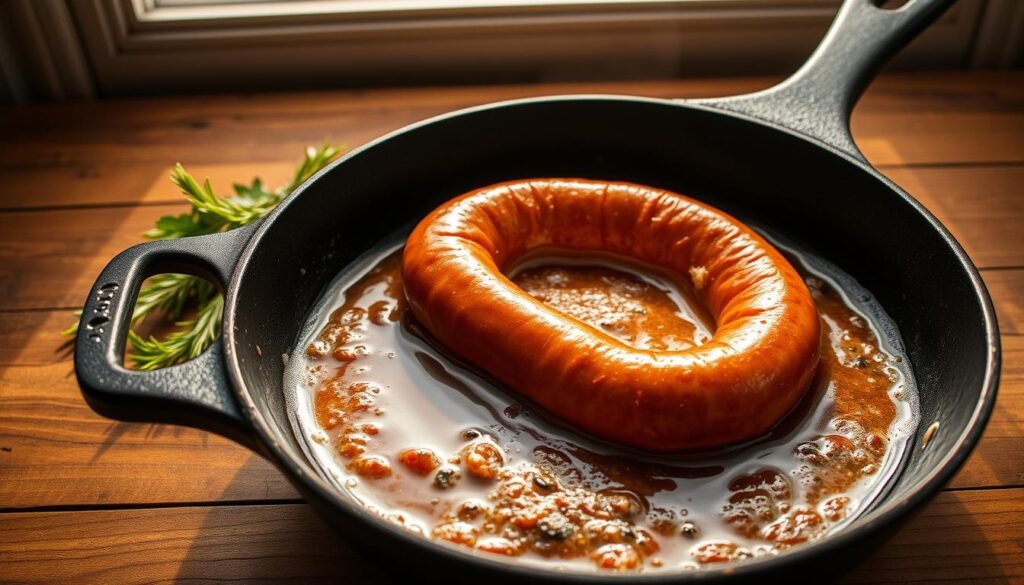
Cooking Italian sausage is a fun experience. It’s great for many dishes, like pasta, pizza, sandwiches, and casseroles.
Whether you’re experienced or new to cooking, learning to cook Italian sausage can make your meals better. Proper cooking techniques help keep the sausage juicy and full of flavor. This makes it a fantastic addition to any dish.
Key Takeaways
- Understanding the basics of Italian sausage
- Learning various cooking methods
- Achieving perfect doneness every time
- Exploring recipe ideas
- Tips for storing and reheating cooked sausage
Understanding Italian Sausage Varieties
Choosing the right Italian sausage can make your dishes better. It’s used in many recipes, like pasta and pizzas. The type of sausage affects the flavor and success of your meal.
Types of Italian Sausage
Italian sausage has different types, like sweet, hot, and finocchiona with fennel. Sweet Italian sausage is mild and sweet. It’s great for those who don’t like too much heat.
Hot Italian sausage has hot red pepper flakes, making it spicy. Knowing these differences helps pick the right sausage for your recipe.
Flavor Profiles
The flavor of Italian sausage comes from its ingredients and seasonings. It often includes garlic, fennel, and red pepper flakes. The mix of these determines the sausage’s taste.
When cooking sausage, think about its flavor. For example, a sausage with strong fennel goes well with bell peppers and onions. A spicy sausage is better in hearty dishes like stews or chili.
Cooking Methods
How you cook Italian sausage changes its taste and texture. You can grill, pan-fry, or bake it. Grilling adds smokiness, pan-frying crisps the outside, and baking is healthier.
It’s important to cook sausage to a safe temperature. A meat thermometer helps cook it perfectly without overcooking.
Essential Ingredients for Cooking
Choosing the right ingredients is key when cooking Italian sausage. The quality of your ingredients greatly affects your dish’s taste. We’ll look at the must-haves that will make your Italian sausage recipes stand out.You can also read how to cook lobster Tails
Choosing Quality Sausage
Start by picking high-quality sausage. Look for sausages made from fresh meat. Choose the type of Italian sausage you like, like sweet or hot. Choosing a reputable brand ensures consistency and flavor.
Complementary Ingredients
Adding the right ingredients can really boost the flavor of Italian sausage. Onions, bell peppers, and garlic are great choices. You can also add potatoes, tomatoes, or mushrooms for a hearty meal.
Spices and Seasonings
Spices and seasonings are crucial for enhancing the flavors of your Italian sausage dishes. Italian seasoning, salt, and pepper are essentials. But don’t be afraid to try other herbs and spices like fennel seeds or red pepper flakes for a unique twist.
By carefully picking your Italian sausage and ingredients, you’ll create dishes that are truly delicious. Whether you’re grilling, sautéing, or baking, the right ingredients are key to cooking sausage perfectly.
Preparing the Sausage for Cooking
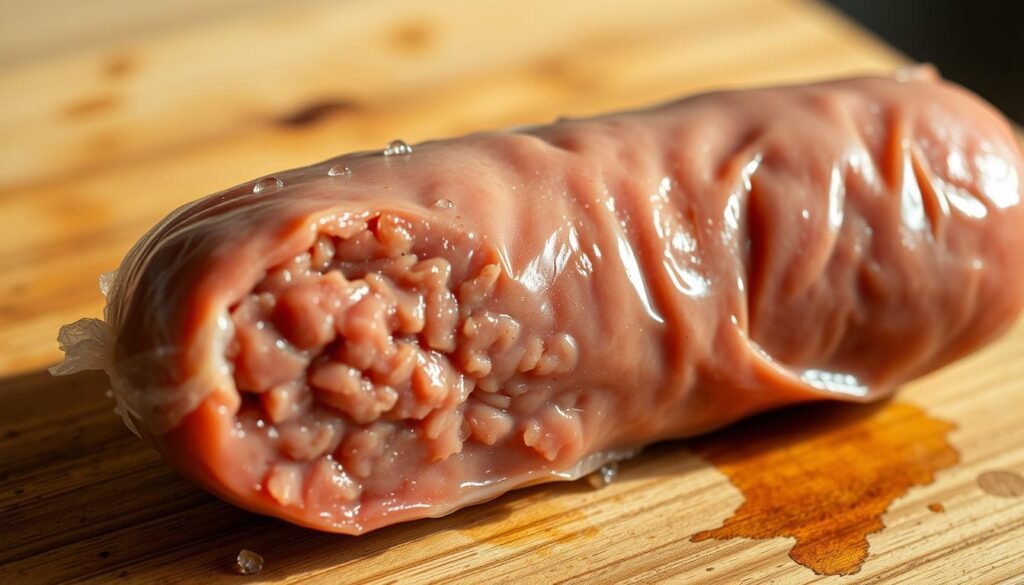
The secret to a tasty Italian sausage dish is in its preparation. Getting your Italian sausage ready right can greatly improve its taste and texture.
Thawing Frozen Sausage
First, thaw frozen Italian sausage. You can thaw it in the fridge overnight or under cold water quickly. Never thaw sausage at room temperature to avoid bacterial growth.You can also read how to cook pork loin
Slicing or Keeping Whole
After thawing, decide if to slice or cook the sausage whole. Slicing makes it cook faster and more evenly. Cooking it whole keeps the juices in. Your choice depends on your recipe and taste.
Marinating for Extra Flavor
Marinating your Italian sausage adds more flavor. Use olive oil and herbs or complex mixes with vinegar and spices. Marinating for at least 30 minutes boosts the taste.
By following these steps, you’ll make a delicious Italian sausage dish. Your family and friends will love it.
Cooking Italian Sausage on the Grill
Grilling Italian sausage is an art that needs finesse. But with the right techniques, you can get amazing results. Grilling adds a smoky flavor and a nice char, making it a favorite.
Best Grilling Tips
To grill Italian sausage like a pro, start by preheating your grill to the right temperature. Make sure to oil the grates to prevent the sausage from sticking. Brushing the sausage with a little oil also enhances flavor and texture.
Another tip is to cook the sausage over medium heat. This allows it to cook evenly without burning the outside. It keeps the sausage juicy and flavorful.
Ideal Temperature Settings
The ideal temperature for grilling Italian sausage is between 375°F to 400°F. This temperature range gives a nice sear on the outside while cooking the inside thoroughly.
It’s also important to use a thermometer to check the internal temperature of the sausage. The recommended internal temperature is at least 160°F to ensure food safety.
Grilling Times
The grilling time for Italian sausage varies based on thickness and whether it’s sliced or whole. Generally, it takes around 5-7 minutes per side for whole sausages and 3-5 minutes per side for sliced sausages.You can also read how to cook lobster
Keep an eye on the sausage and adjust the grilling time as needed. You want the sausage to be nicely charred on the outside and cooked through.
Cooking Italian Sausage in the Oven
Try cooking Italian sausage in the oven for an easy meal. This method cooks the sausage evenly and enhances its flavors.
Steps for Oven Cooking
First, heat your oven to the correct temperature. Line a baking sheet with aluminum foil or parchment paper for easy cleanup. Place the Italian sausages on the sheet, leaving space for even cooking.
Timing and Temperature
The cooking time and temperature depend on the sausage type. Generally, bake at 375°F (190°C) for 20-25 minutes. This will cook the sausages through and lightly brown them.
Make sure to check the sausage’s internal temperature. It should reach at least 160°F (71°C) for safety.
Recipe Ideas
Oven-cooked Italian sausage is great in many dishes. Try it with roasted veggies like bell peppers and onions for a filling meal. It’s also good as pizza topping or in pasta for extra taste.
Try different seasonings or marinades before baking for a unique flavor. Oven-cooked Italian sausage is perfect for a quick dinner or a big event.
Sautéing Italian Sausage

Sautéing Italian sausage is a quick and tasty way to cook. It’s perfect for busy weeknights or weekend meals. This method brings out the sausage’s rich flavors and lets you add other ingredients for a complete dish.
Using a Skillet
To sauté Italian sausage, use a good skillet. Cast iron or stainless steel skillets work best because they keep heat well. Heat the skillet over medium-high before adding oil to prevent sticking. Then, add the sausage and cook until it’s browned on all sides.
Pairing with Vegetables
Adding vegetables to Italian sausage makes the meal more flavorful and healthy. Onions, bell peppers, and mushrooms are great choices. Put sliced or chopped veggies in the skillet after the sausage is browned. Cook until they’re tender. This way, the veggies soak up the sausage’s juices, making them taste even better.
Timing and Serving Suggestions
The time it takes to cook sautéed Italian sausage depends on the sausage’s thickness and the heat. It usually takes 10-15 minutes. Make sure the sausage is at least 160°F to ensure it’s safe to eat. Serve the sausage with the veggies, maybe with pasta, rice, or roasted potatoes.
Boiling Italian Sausage
Boiling is a great way to cook Italian sausage. It keeps the sausage moist and tender. This method is perfect for avoiding dryness.
Why Choose Boiling?
Boiling Italian sausage is easy and effective. It cooks the sausage evenly and prevents burning. It’s also great for cooking for a crowd, as you can cook many sausages at once.
Time and Temperature Guidelines
To boil Italian sausage right, follow these guidelines. Start by boiling water in a large pot, then lower the heat to a simmer. The best temperature is between 160°F and 180°F. Make sure the sausages are fully covered in water.
Cooking time depends on the sausage’s freshness or if it’s frozen. Fresh sausages cook in 10-15 minutes. Frozen ones take 20-25 minutes. Always check the sausage’s internal temperature to ensure it’s safe to eat.
After boiling, you can grill or pan-fry the sausages. This adds a nice brown color and flavor.
Incorporating Italian Sausage into Dishes
Italian sausage is a key ingredient in many savory recipes. It adds flavor to a variety of dishes. From classic pasta and pizza to hearty breakfast meals, it’s versatile.
Pasta Recipes
Italian sausage pairs well with pasta. Add it to tomato-based sauces for a classic spaghetti dish. Or mix it with creamy sauces for a richer flavor. Try pairing Italian sausage with penne and a vodka sauce for a delicious and satisfying meal.
Pizza Toppings
Italian sausage is also a popular pizza topping. It adds a spicy kick and a meaty flavor. Consider combining it with peppers and onions for a flavorful pizza.
Breakfast Ideas
For breakfast, Italian sausage can be used in omelets, breakfast burritos, or as a side dish. Pairing Italian sausage with eggs and cheese in a breakfast burrito makes for a filling and flavorful start to your day.
Storing Leftover Italian Sausage
Enjoying Italian sausage all week starts with knowing how to store leftovers right. It’s important to keep your meal fresh and safe by following the right storage and reheating methods.
Safe Storage Practices
To keep your leftover Italian sausage fresh, cool it down to room temperature within two hours after cooking. Then, refrigerate or freeze it. Use airtight containers or zip-top bags to keep moisture and other flavors out.
Refrigeration Tips: Keep the sausage in the fridge at 40°F (4°C) or below. It’s best to use it within three to four days.
Freezing Tips: Freeze the sausage at 0°F (-18°C) or below. You can store it for three to four months in the freezer. To thaw, let it sit in the fridge overnight or thaw it quickly by submerging the container in cold water.
Reheating Tips
When reheating Italian sausage, make sure it reaches a safe temperature. Heat it to 165°F (74°C). You can reheat it in the oven, on the stovetop, or in the microwave.
Oven Reheating: Preheat your oven to 350°F (175°C). Put the sausage in a covered dish and heat for 10-15 minutes, or until it’s hot inside.
Stovetop Reheating: Cook the sausage in a pan over medium heat, turning it often, until it’s hot through.
Microwave Reheating: Cover the sausage with a microwave-safe lid or plastic wrap. Heat on high for 30-60 seconds, or until it’s steaming hot. Make sure it reaches 165°F (74°C).
Health Considerations
The nutritional profile of Italian sausage is key for a balanced diet. It can add flavor to meals but knowing its health effects is vital. This knowledge helps make better choices.
Nutritional Profile
Italian sausage is rich in protein, good for muscles and feeling full. But, it can also have a lot of fat, mainly saturated fat, and sodium. A single serving can have 200 to 300 calories, depending on ingredients and cooking.
Key nutritional components to consider:
- High protein content
- Potential for high saturated fat
- Sodium content
Serving Sizes
Knowing serving sizes is important when eating Italian sausage. A standard serving is about 3-4 ounces or the size of a deck of cards. Sticking to this size helps balance its good and bad points.
To eat Italian sausage healthily, pair it with foods rich in nutrients like veggies, whole grains, and legumes. This mix can reduce the sausage’s negative health effects.
Troubleshooting Cooking Issues
Cooking Italian sausage to perfection is achievable once you know what mistakes to avoid. Whether you’re grilling, baking, or sautéing, understanding the common pitfalls can elevate your dish from good to great.
Common Mistakes to Avoid
One of the most common mistakes when cooking Italian sausage is not cooking it at the right temperature. Using a thermometer can help ensure that your sausage is cooked to a safe internal temperature. Another mistake is overcooking, which can make the sausage dry and tough. To avoid this, keep an eye on the cooking time and check the sausage frequently towards the end of the recommended cooking time.
Not preparing the sausage properly before cooking can also lead to subpar results. Make sure to thaw frozen sausage completely before cooking, and consider marinating it for extra flavor. Avoid pressing down on the sausage with your spatula while it’s cooking, as this can squeeze out juices and make the sausage dry.
Ways to Enhance Flavor
Enhancing the flavor of Italian sausage can be as simple as adding a few complementary ingredients. Onions, bell peppers, and garlic are classic additions that pair well with the spices in Italian sausage. You can also try adding some herbs like basil or oregano to give your dish an Italian twist.
Another way to boost flavor is by using different cooking liquids. For example, you can simmer Italian sausage in tomato sauce or broth instead of water, which adds moisture and infuses the sausage with more flavor. Experimenting with various seasonings and spices can also help you find the perfect flavor combination that suits your taste.
Final Serving Suggestions
Now that you know how to cook sausage perfectly, it’s time to serve it with flair. The way you present your dish can make it even more enjoyable. It will make your mealtime special for you and your guests.
Plating Your Dish
When you plate your Italian sausage, think about mixing colors and textures. Add fresh herbs like parsley or basil for a splash of color. Roasted vegetables or garlic bread can also add to the dish.
Pairing with Sides and Drinks
Choosing the right sides and drinks can really bring out the flavors. Try it with a crisp salad, grilled veggies, or a big pasta dish. For drinks, a red wine or a cold beer can be great. Or, go for an Italian soda or sparkling water with lemon.