

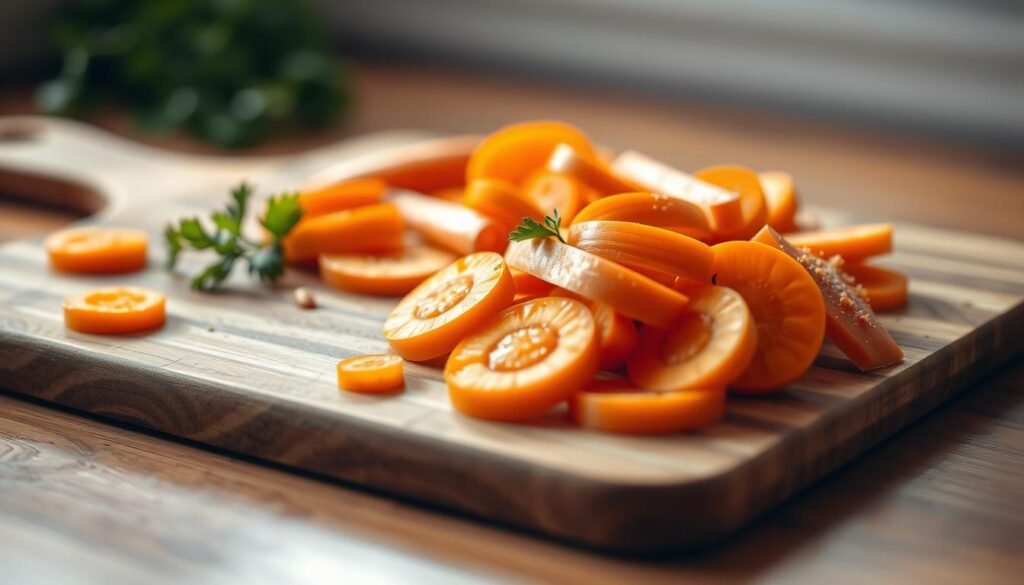
Cooking carrots is easy and can make your meals taste better. Whether you’re new to cooking or have lots of experience, learning how to cook carrots can make your dishes better.
Carrots are great because you can cook them in many ways. You can roast, steam, or even glaze them. Trying out different carrot recipes can help you find new flavors and textures.
Key Takeaways
- Learn various techniques for cooking carrots to bring out their natural sweetness.
- Discover easy methods to prepare delicious carrot dishes.
- Explore different carrot recipes to add variety to your meals.
- Master the art of cooking carrots to elevate your cooking skills.
- Understand the benefits of cooking carrots using different methods.
Why Carrots Are a Great Vegetable Choice
Carrots are packed with nutrients and can be used in many dishes. They add flavor to both savory and sweet recipes.You can learn about how-to-cook-farro
Nutritional Benefits of Carrots
Carrots are rich in essential vitamins and minerals. They have vitamin A, potassium, and fiber. These help your eyes, immune system, and digestion.
The antioxidants in carrots protect your cells. This reduces the risk of chronic diseases.
Versatile Cooking Methods
You can cook carrots in many ways. Try boiling, steaming, roasting, or sautéing. Each method brings out their natural sweetness and flavor.
Experimenting with different cooking techniques can help you find your favorite way to enjoy carrots.
How Carrots Fit into Various Diets
Carrots are good for many diets. They fit into vegan, gluten-free, and low-carb diets. You can use them raw, cooked, or pureed in different recipes.
Adding carrots to your diet can be very beneficial. They are nutritious, versatile, and fit into many diets. Carrots are a great choice for healthier eating.
How to Select Fresh Carrots
To make your carrot dishes the best, start with fresh carrots. The quality of your carrots greatly affects the taste, texture, and success of your recipes.
Signs of Freshness
Look for carrots that are firm and brightly orange. Stay away from soft, wilted, or moldy carrots. The greens on top should be fresh and lively. Some carrots are sold without greens.
Different Varieties of Carrots
Carrots come in many colors and sizes, each with its own traits. The common orange carrot is joined by purple, yellow, white, and red carrots. Each variety brings a unique flavor and look to your dishes.
Organic vs. Conventional Carrots
The debate on organic vs. conventional carrots focuses on pesticide use, environmental impact, and cost. Organic carrots are grown without synthetic pesticides, appealing to health and environmental advocates. Yet, conventional carrots are often as nutritious and cheaper.
Your choice between organic and conventional carrots depends on your preferences, budget, and cooking goals. Both types can enhance your dishes in many ways.You can learn about how-long-to-cook-chicken-thighs-in-air-fryer/
Preparing Carrots for Cooking
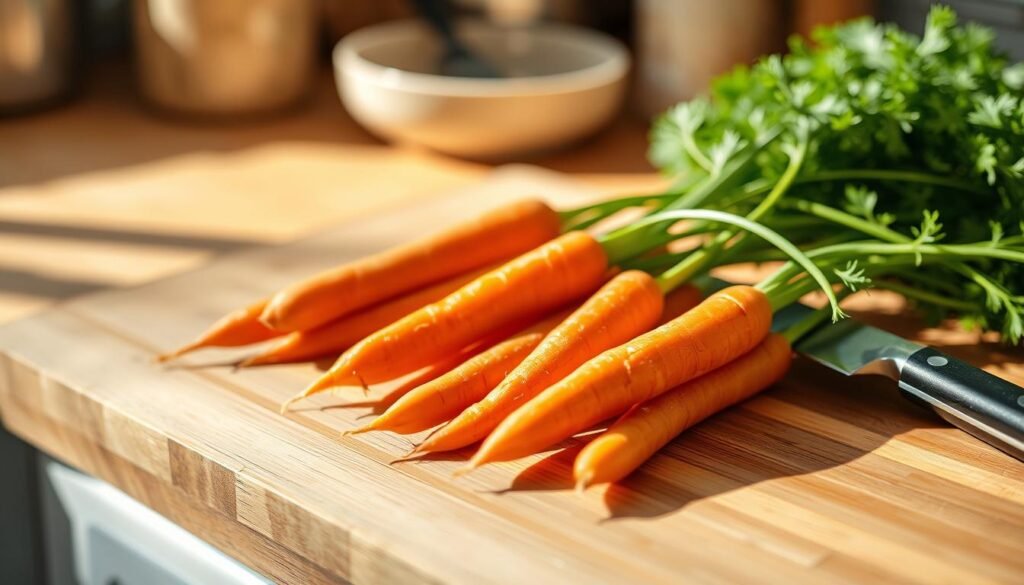
Preparing carrots for cooking is easy and important. It makes a big difference in taste and texture. Whether boiling, steaming, or roasting, getting them ready right is key.
Washing and Peeling Techniques
Start by washing carrots under cold water to get rid of dirt. Use a vegetable brush to gently scrub them, if needed. Then, you can peel them or leave the skin on, depending on your choice and the recipe.
If peeling, use a vegetable peeler to remove the outer layer. Leaving the skin on keeps more nutrients and fiber. But peeling can remove pesticides or dirt.
Cutting Carrots: Different Shapes and Sizes
Cutting carrots into uniform shapes ensures they cook evenly. You can slice, stick, coin, or julienne them, based on the recipe. For baby carrots, you might leave them whole or halve them.
For larger carrots, cut them into batons or thin rounds. This helps them cook faster and more evenly. Using a sharp knife makes clean cuts and avoids crushing the carrots.
Tips for Uniform Cooking
To cook carrots evenly, cut them into similar sizes and shapes. This is crucial if cooking them together. Soaking cut carrots in cold water for 10-15 minutes before cooking can also help.
Drying the carrots after washing and before cooking helps them brown better if roasting or sautéing.
Cooking Carrots: Boiling
Boiling carrots is a simple yet effective way to cook them. It’s great for side dishes or adding to recipes. Mastering this technique can make your carrots perfectly cooked.
Step-by-Step Boiling Process
To boil carrots, start by filling a pot with enough water to cover the carrots. Bring the water to a boil. Then, add your carrots to the pot, making sure they’re fully covered.
Lower the heat to a simmer after adding the carrots. This prevents them from getting too soft. Let them cook until they’re tender to your liking.
Timing for Perfectly Tender Carrots
The cooking time for boiling carrots depends on their size and how tender you want them. Sliced or baby carrots usually take 4-6 minutes. Larger carrots might need 10-15 minutes. Check if they’re done by piercing them with a fork; if it slides in easily, they’re ready.
Enhancing Flavor in Boiling Water
To boost the flavor of your boiled carrots, try adding something to the water. A pinch of salt, a pat of butter, or herbs like thyme or parsley can enhance the taste. For sweetness, a tablespoon of honey or sugar can balance the flavors.
Try different seasonings to find the perfect flavor for your meal. Boiling carrots can be versatile, allowing you to adjust flavors to suit any dish.
Steaming Carrots: A Healthier Option
Steaming carrots is a great way to keep their nutrients. It helps keep their natural sweetness and nutrients. This makes it a top choice for those who care about their health.
Benefits of Steaming Carrots
Steaming carrots has many benefits. It keeps their delicate nutrients and flavor intact. This method also helps them stay crunchy, making them perfect as a snack or side dish.
How to Steam Carrots Effectively
To steam carrots, you need a steamer basket and a pot with a lid. Put the carrots in the basket and place it over boiling water. Cover the pot to keep the steam in. Let them cook until they’re tender.
Cooking Time Recommendations
The cooking time for steaming carrots varies. Baby carrots or sliced ones take 4-6 minutes. Larger carrots might need 8-10 minutes. Check if they’re done by poking them with a fork. If they’re tender, they’re ready.
Steaming carrots is a simple and healthy way to enjoy this versatile veggie. Follow these tips to make delicious and nutritious steamed carrots every time.
Roasting Carrots for a Caramelized Flavor

Carrots become irresistibly sweet and caramelized when roasted. This method brings out their natural sweetness. It adds a depth of flavor that’s hard to get with other techniques.
Preparing Carrots for Roasting
To roast carrots, start by picking fresh, firm carrots. Wash them well, and peel them if you want. But leaving the skin on adds fiber and texture.
Cut the carrots into uniform pieces, like slices or sticks. Or leave them whole if they’re baby carrots. Toss them with olive oil, salt, and herbs or spices until they’re evenly coated.You can learn about how-long-to-cook-chicken-thighs-in-air-fryer/
Ideal Oven Temperatures and Times
Preheat your oven to about 425°F (220°C) for the best results. The cooking time depends on the size and cut of your carrots. Sliced or chopped carrots roast in 20-25 minutes. Whole carrots take 30 to 45 minutes.
Check if they’re done by piercing them with a fork. They should be tender but still crisp.
Tip:For an extra caramelized exterior, try roasting at a higher temperature (450°F or 230°C) for a shorter amount of time. Just keep an eye on them to prevent burning.
Flavor Enhancements: Herbs and Spices
Roasting carrots is a great chance to add extra flavors. Toss your carrots with minced garlic, chopped fresh herbs, or spices like cumin or paprika before roasting. You can also drizzle honey or maple syrup for a sweet glaze.
Try different combinations to find your favorite. By following these simple steps, you can make perfectly roasted carrots with a delicious caramelized flavor. This will elevate any meal.
Sautéing Carrots: Quick and Easy
Sautéing carrots is a simple way to cook them perfectly. It brings out their natural sweetness and adds flavors. It’s great for a quick side dish or when you’re short on time.
Essential Tools for Sautéing
You’ll need a few tools to sauté carrots well. A large skillet or sauté pan is key for even cooking. Choose a pan that keeps heat well, like stainless steel or cast iron. You’ll also need a sharp knife and a spatula for stirring. Having these tools makes sautéing easy and efficient.
Working with Different Oils
The oil you use affects the taste of your carrots. Olive oil is popular for its flavor but has a low smoke point. For higher heat, try avocado oil or grapeseed oil. Experiment with oils to find the best match for your dish. Use the right amount of oil to avoid greasy carrots.
Adding Other Vegetables for Flavor
Adding other vegetables to your carrots makes the dish more flavorful and nutritious. Onions, garlic, and bell peppers are great choices. Combine carrots with your favorite veggies for a tasty sauté. Adjust cooking times for each vegetable to ensure they’re all done right.
Glazing Carrots for a Sweet Finish
Glazing carrots makes them sweet and eye-catching. It turns simple carrots into a delicious side dish. This method is easy and lets you try different flavors.
Ingredients for a Simple Glaze
To make a basic glaze, you need butter, brown sugar, honey, salt, and pepper. You can change these to taste. More honey makes it sweeter, and a bit of salt balances it.
Glazing is all about trying new things. You can add garlic, ginger, or herbs for a special flavor. Mixing different ingredients can create the perfect taste for your meals.
How to Make a Carrot Glaze
Making a carrot glaze is simple. Melt butter in a pan, then add brown sugar and honey. Stir until the sugar melts. Simmer until it thickens a bit, then toss in your carrots.
For a shiny finish, broil the carrots for a minute or two. Watch them closely to avoid burning. This step adds a caramelized layer that boosts flavor and looks.how-to-cook-salmon-in-a-pan/
Serving Suggestions for Glazed Carrots
Glazed carrots are great with roasted meats, grilled poultry, or pan-seared fish. They also go well with other veggies for a colorful meal.
For a nice touch, garnish with fresh herbs like parsley or thyme. It adds color and a fresh taste to the sweet carrots.
Grating and Shredding Carrots
Grating or shredding carrots makes them a great addition to many recipes. It boosts both nutrition and taste. These simple steps turn carrots into a kitchen staple.
Uses for Grated Carrots in Recipes
Grated carrots fit into many dishes, like salads, slaws, and baked goods. They bring a sweet, crunchy touch that pairs well with various tastes. Try adding them to your recipe ideas for a healthy twist.
They’re perfect in carrot cake for moisture and flavor. In salads, they add a nice crunch. You can also use them in soups or as a topping.
Tips for Grating Without a Mess
To grate carrots without a mess, use a box grater or a food processor with a shredding attachment. These tools keep the grated carrots in place, making cleanup simple. Grate them onto a paper towel or clean kitchen towel to soak up extra moisture.
For finer grating, a microplane grater is best. It’s great for recipes where carrots should blend in, like baked goods or smoothies.
Flavor Pairings for Shredded Carrots
Shredded carrots pair well with many flavors to highlight their sweetness. Try them with ginger, garlic, and herbs like parsley or cilantro. Mixing them with fruits like apples or raisins makes for a delicious salad.
In savory dishes, they match spices like cumin or coriander. This adds richness to stews, soups, or stir-fries. Exploring different flavors can lead to new favorite recipes.
Carrots in Soups and Stews
Carrots can make your soups and stews taste better and be healthier. They are great in many soup recipes, from clear broths to thick stews.
Adding Carrots to Broths and Stocks
When you add carrots to broths and stocks, think about how long to cook them. You can chop them up or use baby carrots for different textures.
Tip: For a clearer broth, add sliced or whole carrots towards the end of cooking. This way, they won’t get too mushy and add too much starch.
Timing for Tenderness in Soups
The cooking time for carrots in soups depends on how they’re cut and how tender you want them. Sliced carrots usually take 10-15 minutes to cook. Larger chunks might need 20-25 minutes.
Popular Soup Recipes Featuring Carrots
Carrots are a main ingredient in many beloved soups. Some top picks include:
- Carrot and Ginger Soup
- Minestrone Soup
- Butternut Squash and Carrot Soup
Creative Ways to Use Carrots in Salads
Carrots can make your salads better with their crunchy texture and sweet taste. They’re perfect for a refreshing side dish or a light meal. Adding carrots to your salads is a smart choice.
Raw Carrot Salads: Crunchy and Fresh
Raw carrots bring a delightful crunch to salads. You can grate or julienne them for a fresh, healthy base. Try mixing raw carrots with beets or cabbage for a colorful salad.
Tips for preparing raw carrot salads: Choose fresh, firm carrots and peel them if needed. Adding nuts or seeds can also enhance the texture.
Flavor Combinations for Carrot Salads
Carrots pair well with many ingredients for tasty flavor combinations. Some favorites include:
- Carrots and raisins with a citrus vinaigrette
- Carrots and apples with a hint of cinnamon
- Carrots and ginger with a soy sauce dressing
Don’t be afraid to try different combinations to find your favorite.
Dressings that Pair Well with Carrots
The right dressing can really bring out the flavor of carrots in salads. Some great options are:
- Lemon-tahini dressing for a creamy, tangy taste
- Balsamic vinaigrette for a sweet and sour flavor
- Ginger-soy dressing for an Asian-inspired taste
Tip: You can also make your own dressing with olive oil, apple cider vinegar, and honey.
Storing Cooked Carrots
Proper storage and reheating are key to keeping cooked carrots fresh. You want to enjoy them for a longer time. That’s why correct storage is important.
Cooling and Container Tips
Cool cooked carrots to room temperature to avoid moisture buildup. Then, put them in an airtight container. Make sure to press plastic wrap or aluminum foil on the carrots to keep air out.
Reheating for Optimal Flavor
When reheating cooked carrots, use gentle heat to keep their flavor and texture. You can reheat them in the microwave, on the stovetop, or in the oven. Adding a splash of water or a pat of butter can bring back their natural sweetness.
Shelf Life of Cooked Carrots
Cooked carrots can last 3 to 5 days in the fridge if stored right. Always check for signs of spoilage before eating, like an off smell or slimy texture.