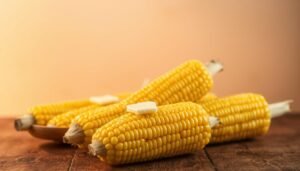

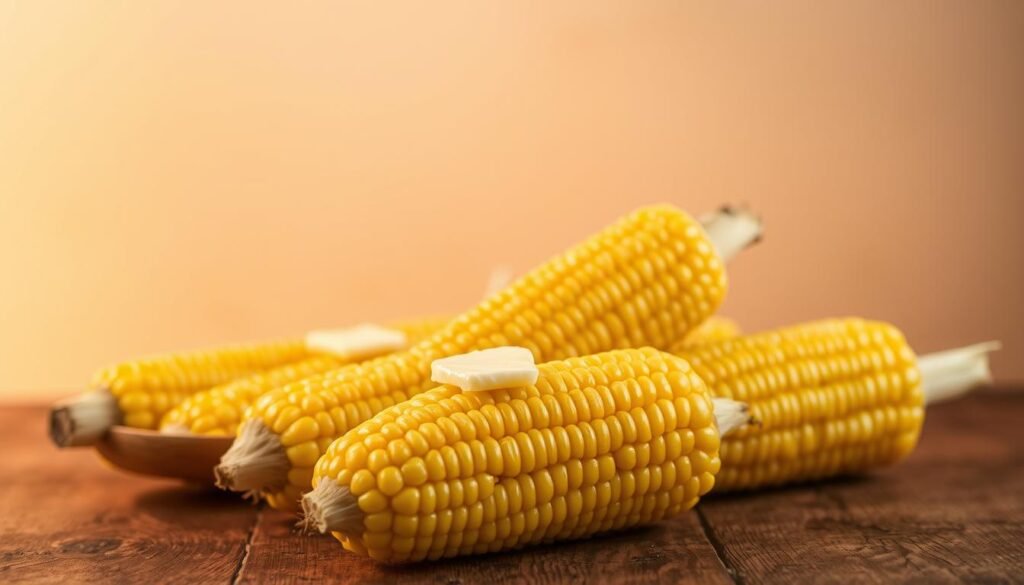
Cooking corn on the cob right can make any meal better. But, getting it tender and flavorful is tricky. The key lies in the timing, as overcooking can ruin the texture.
Whether you grill, boil, or steam, knowing the best cooking time is key. In this article, we’ll look at different ways to cook corn on the cob. We’ll give you the tips to get it perfect every time.
Key Takeaways
- Understanding the optimal cooking time for corn on the cob.
- Exploring different methods for cooking corn on the cob.
- Tips for achieving perfectly cooked corn on the cob.
- Avoiding common mistakes when cooking corn.
- Enhancing flavor and texture through proper cooking techniques.
Understanding Corn on the Cob
To enjoy delicious corn on the cob, you need to know about its types and how to pick the freshest ears. Corn on the cob is a favorite side dish in summer when it’s at its best.
Corn has many varieties, each with its own traits. The most common are sweet corn and supersweet corn. Sweet corn is soft and sweet, while supersweet corn stays sweet longer.Learn more about how-to-cook-okra
Types of Corn to Consider
There are different types of corn, like yellow, white, and bi-colored. Yellow corn tastes buttery, white corn is sweeter, and bi-colored is a mix of both.
Also, consider the corn’s genetic makeup. Sugary enhanced (SE) or synergistic types affect its sweetness and texture. Knowing this helps you pick the right corn.
Choosing the Right Freshness
Freshness is key for corn on the cob. Look for ears with green, moist husks that are tightly wrapped. The kernels should be plump, and the silk should be slightly sticky and brown.
Stay away from corn with dry or brown husks, as it’s older. Gently squeeze the ear; it should feel firm. Check the stem end too; a dry stem means older corn.
Cooking Methods for Corn on the Cob
Corn on the cob can be cooked in many ways, each with its own taste and feel. The method you choose depends on what you like, how much time you have, and what you want to achieve.
Boiling: The Classic Method
Boiling is a simple and traditional way to cook corn on the cob. It involves putting the corn in boiling water until it’s soft. This method is great for achieving tender corn with minimal effort. To boil corn, just boil a big pot of water, add the corn, and cook for a few minutes until it’s done.Learn more about how-to-cook-okra
Grilling: For a Smoky Flavor
Grilling corn on the cob gives it a smoky taste that’s perfect for summer barbecues. You can grill it directly or wrap it in foil first. Grilling brings out a natural sweetness in the corn and adds a charred texture. Make sure to turn the corn often to avoid burning.
Microwaving: Quick and Easy
Microwaving is a fast and easy way to cook corn on the cob. It’s great for when you’re in a hurry or don’t have a stove or grill. Microwaving helps retain the corn’s natural sweetness and texture. Just put the corn in the microwave, husk and silk removed, and cook on high for a few minutes until tender.
Roasting: A Unique Approach
Roasting corn on the cob in the oven brings out its natural sweetness and adds flavor. This method involves placing the corn, often wrapped in foil with seasonings, in the oven at a high temperature. Roasting is a great way to cook corn without constant supervision. It’s perfect for those looking for a hands-off approach to cooking corn.Learn more about how-long-to-cook-a-turkey-breast
How Long to Cook Corn on the Cob for Each Method

Whether you’re boiling, grilling, microwaving, or roasting, the cooking time for corn on the cob is key. Each method has its own timing to get your corn just right.
Boiling Time Guide
Boiling is a classic way to cook corn on the cob. To boil, put the ears in boiling water. The boiling time is 5 to 7 minutes, based on corn size and freshness. Remove the corn when it’s tender for the best taste.
Grilling Time Guide
Grilling corn on the cob gives it a smoky flavor. To grill, place the ears on a hot grill, turning every 2 minutes. The grilling time is 10 to 12 minutes, until the kernels are lightly charred. Watch the corn to avoid overcooking.
Microwaving Time Guide
Microwaving is quick and easy for corn on the cob. Place the corn, husk and silk removed, in the microwave. Cook on high for 3 to 4 minutes per ear. Check the corn and cook in 30-second increments until tender.
Roasting Time Guide
Roasting corn on the cob enhances its sweetness. To roast, lay the corn on a baking sheet and roast at 400°F (200°C). The roasting time is 15 to 20 minutes, until the kernels are lightly browned. Turn the corn halfway for even roasting.Learn more about how-to-cook-wild-rice
By following these guidelines, you’ll get perfectly cooked corn on the cob every time. Try different methods to find your favorite way to enjoy this summer favorite.
Signs of Doneness to Look For
Knowing when your corn on the cob is done is key for a great meal. It’s not just about cooking time. You also need to know when it’s perfectly cooked.
Visual Cues
Looking for visual signs is a good way to check if your corn is cooked. Perfectly cooked corn has tender and slightly soft kernels. If the kernels are hard and pale, it needs more cooking. But if they’re mushy or too brown, it’s overcooked.You can Learn about how-to-cook-chorizo
Texture Tests
Texture tests are also a good way to check if corn is done. Try piercing a kernel with a fork or knife. If it goes in easily, the corn is cooked. Or, you can peel back a small husk section to check tenderness. The kernels should be slightly firm but yield to pressure.
Using these methods will help you cook corn on the cob perfectly. This ensures a delicious side dish for your meals.
Seasoning and Flavors for Corn on the Cob
Adding the right seasonings and toppings can take your corn on the cob to the next level. Corn on the cob is tasty on its own. But, trying different flavors can make it even sweeter and more enjoyable.
Classic seasonings like butter and salt are always a hit. But, you can also try various herbs and spices for unique tastes.
Classic Butter and Salt
Butter and salt on corn on the cob is a timeless favorite. The butter’s richness pairs well with the corn’s sweetness. Adding black pepper can enhance the flavors even more.
Creative Toppings to Try
Want to try something new? There are many creative toppings to explore. Here are a few ideas:
Grated Parmesan or cotija cheese for a savory twist
Chili powder or paprika for a spicy kick
Fresh herbs like parsley, cilantro, or chives for a fresh flavor
Don’t be afraid to mix and match toppings to find your favorite. Whether you prefer classic or adventurous, the right seasonings can make your corn on the cob experience unforgettable.
Storing Leftover Corn on the Cob
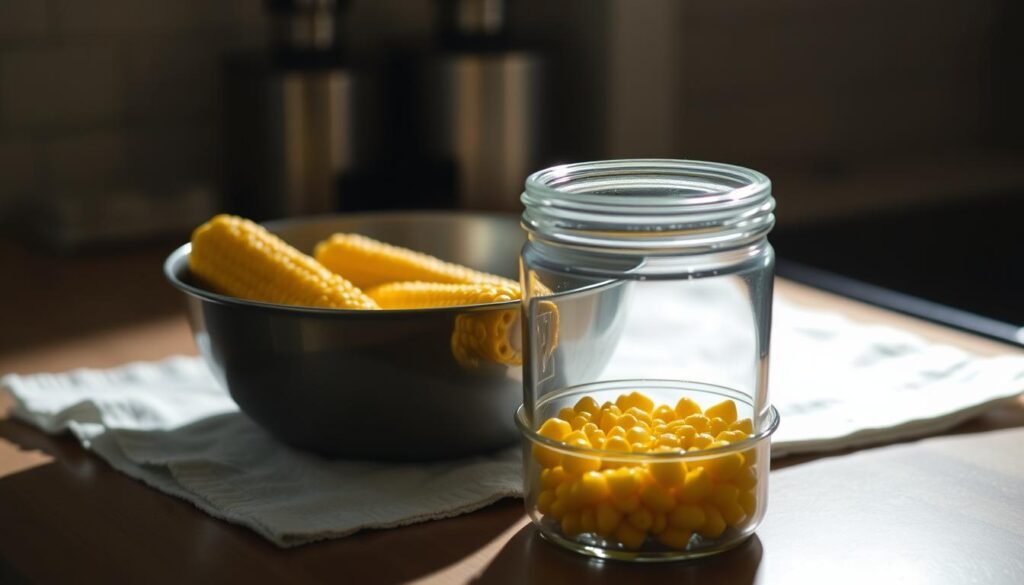
Don’t let leftover corn on the cob go to waste. Learn how to store it right. Whether you boiled, grilled, or microwaved it, keeping it fresh is key.Learn more about how-to-cook-ahi-tuna
Refrigeration Guidelines
To store leftover corn in the fridge, keep it cool and moist. Wrap the corn tightly in plastic wrap or aluminum foil to prevent drying. You can also use a covered container or zip-top bag. Refrigerated corn stays fresh for up to 3 days.
Before eating, reheat the corn. You can boil, steam, or microwave it until warm.
Freezing Corn for Future Use
Freezing is great for longer storage. First, blanch the corn in boiling water for 4-6 minutes. This stops enzymes that cause spoilage. Then, cool it in an ice bath.
Once cooled, wrap each ear in plastic or foil. Put them in a freezer-safe bag. Frozen corn lasts up to a year. Just thaw and reheat when you’re ready.
Follow these tips to enjoy corn on the cob for days. You can refrigerate or freeze it.
Nutritional Benefits of Corn on the Cob
Corn on the cob is more than a tasty summer side dish. It’s also packed with essential nutrients. Enjoying this vegetable gives your body vitamins, minerals, and other beneficial compounds.
Vitamins and Minerals
Corn on the cob is a good source of several important vitamins and minerals. It’s rich in vitamin C, a powerful antioxidant. It also has thiamin (vitamin B1), folate, and magnesium. These nutrients help with energy, nerve function, and overall health.Learn more about how-to-cook-a-london-broil
Corn also has phosphorus, potassium, and zinc. These nutrients are good for healthy bones, blood pressure, and a strong immune system.
Caloric Content
One of the benefits of corn on the cob is its low caloric content. A single serving (about one ear of corn) has around 80-100 calories. This makes it a nutritious and filling addition to meals without adding too many calories.
The caloric content can change a bit based on how it’s cooked and any toppings or seasonings. But, corn on the cob is a low-calorie food. It’s rich in nutrients and fiber, helping you feel full and satisfied.
Serving Suggestions
Serving corn on the cob can be simple or creative. It’s great with main dishes or in salads. Corn is versatile and fits many meal plans.
Pairing with Main Dishes
Corn goes well with many main dishes. Try it with grilled burgers or steaks for a classic summer meal. The smoky flavor of grilled meats pairs well with corn’s sweetness.
For vegetarian options, pair corn with roasted vegetables or a hearty grain salad. This adds variety to your meals.
Creating Corn Salads
Corn salads offer a new way to enjoy corn. Cut cooked corn off the cob and mix it with cherry tomatoes, avocado, and a tangy dressing. Adding grilled chicken or shrimp makes it more filling.
For a light summer salad, mix corn with black beans, diced red bell peppers, and cotija cheese. Corn salads can be customized to any taste or diet.Learn more about how-to-cook-rice-in-a-rice-cooker
Fun Facts about Corn on the Cob
Did you know about the cool facts of corn on the cob? It’s not just a tasty side dish. Corn has been important for thousands of years in many cultures. Its journey has led to many different types of corn.
Interesting Varieties
Corn on the cob comes in many colors and types. You can find yellow, white, bi-colored, and even purple corn. Favorites include Silver Queen, Golden Bantam, and Honey & Cream. Each variety has its own taste and look, making corn great for many dishes.
Historical Background
Corn’s history goes back to ancient Mesoamerica, where it was first grown around 7,000 to 10,000 years ago. It was key for the Aztecs and Mayans, used for food and in ceremonies. Today, the U.S. is a big corn producer.
The historical importance of corn is still celebrated today. Many cultures still value it in their traditions and food.
Troubleshooting Common Corn Cooking Issues
Corn on the cob is a summer favorite, but getting it just right can be tricky. Corn might end up overcooked or undercooked, even when you try your best. We’ll share tips to fix these problems, so your corn turns out tasty.
Overcooked Corn: What to Do?
Overcooked corn can be a letdown. But, you can still make it work. Try slicing off the kernels and adding them to a salad or as a topping. You can also blend it into a creamy corn soup or mix it into a casserole. Being creative helps hide the overcooked texture.
Undercooked Corn: How to Fix?
Undercooked corn is easy to fix. Just put it back in the cooking method and cook it some more. For boiling, add 2-3 more minutes. For grilling or roasting, keep checking and rotate it. Watch closely to avoid overcooking.
To prevent undercooked or overcooked corn, check it often while it cooks. Adjust the cooking time based on your method and corn size.
Tips for the Best Corn on the Cob
The secret to great corn on the cob is selecting the right corn and cooking it perfectly. To get it just right, you need to pay attention to a few key things.
Selecting the Best Corn
When picking corn, look for ears with bright green husks and silky, moist strands. The kernels should be plump and close together. Stay away from corn with dry or brown husks, as it’s old and dry.
Feel the kernels through the husk to check if they’re big enough and not too small. The freshest corn is usually picked at the peak of ripeness. Ask your local farmer or store about the harvest date.
Essential Cooking Tips
After picking the best corn, it’s time to cook it. Here are some essential cooking tips to remember:
First, remove the husks and silks just before cooking. This prevents moisture buildup and steaming instead of boiling or grilling.
For boiling, use a big pot with enough salted water to cover the corn. Bring the water to a boil, then add the corn gently. Cook for 5-7 minutes until the kernels are tender.
For grilling, heat your grill to medium-high. You can grill with or without husks, as you like. If without husks, brush with butter or oil to keep it moist. Grill for 10-15 minutes, turning often.
Conclusion: Enjoying Your Corn on the Cob
Cooking corn on the cob is an art that can be mastered with practice and patience. Now that you’ve explored various cooking methods, it’s time to put your knowledge into action.
Cooking Times at a Glance
Here’s a quick recap of cooking times for different methods: boiling takes around 10-12 minutes, grilling requires 10-15 minutes, microwaving is quick at 3-4 minutes, and roasting takes about 20-25 minutes. These times may vary based on your personal preference for doneness.You can Learn about how-to-cook-carne-asada
Experiment with Different Methods
Don’t be afraid to try different cooking methods to find your favorite way of enjoying corn on the cob. Whether you prefer the classic boiled corn or the smoky flavor of grilled corn, experimenting with various approaches will help you discover new flavors and textures.
With these tips and cooking times, you’re ready to enjoy perfectly cooked corn on the cob. So, go ahead and get cooking!