

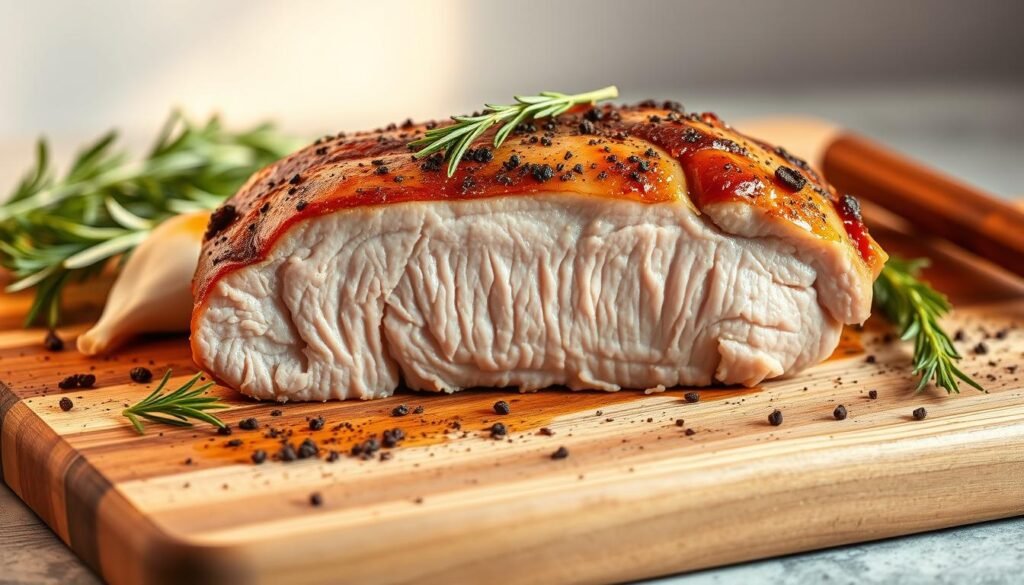
Are you searching for a tasty and juicy pork tenderloin recipe? Cooking pork tenderloin to perfection can be tricky. But with the right tips, you can get amazing results every time. A well-cooked pork tenderloin is not just delicious, but also very versatile.
In this article, we’ll share the best ways to cook pork tenderloin so it stays juicy and tender. Whether you’re an experienced chef or just starting out, our guide has everything you need. You’ll learn how to make a pork tenderloin recipe that will wow your guests.
Key Takeaways
- Tips for achieving a juicy pork tenderloin
- Best practices for cooking pork tenderloin
- Simple ways to prepare a delicious pork tenderloin recipe
- Common mistakes to avoid when cooking pork tenderloin
- Variations to enhance your pork tenderloin dish
Understanding Pork Tenderloin and Its Cuts
Pork tenderloin is loved for its tender texture and mild taste. It’s a favorite among chefs and home cooks. This meat is not only tasty but also easy to cook, making it a common choice in many kitchens.
What is Pork Tenderloin?
Pork tenderloin comes from the pig’s loin. It’s known for being tender and having a mild flavor. This makes it perfect for many recipes. But, because it’s lean, it can dry out if not cooked right.
Different Cuts of Pork Tenderloin
There are different types of pork tenderloin, depending on where you are and who you buy it from. You might find the single loin or the double loin. The double loin is bigger and can be even more tender. Knowing the difference helps you pick the right one for your dish.
Cooking vs. Other Cuts of Pork
Cooking pork tenderloin is different from other pork cuts because it’s lean. It needs careful cooking to stay moist. Techniques like marinating and searing can make it taste better and feel more tender. This makes it great for many cooking methods.Click here learn about how-to-cook-frozen-lobster-tails
Essential Cooking Tools for Pork Tenderloin
The secret to a juicy pork tenderloin is not just in the ingredients. It’s also about the tools you use to prepare it. The right equipment can greatly improve your dish’s outcome.
Must-Have Kitchen Tools
You’ll need some basic kitchen tools to start. A sharp chef’s knife is key for trimming the tenderloin. A cutting board gives you a clean space for prep. Also, a pair of tongs helps when handling the tenderloin while it cooks.
Recommended Cookware
The right cookware makes cooking better. A heavy-bottomed skillet or cast-iron pan is great for searing the tenderloin. It keeps heat well. For oven roasting, use a roasting pan with a rack. This lets air circulate around the meat.
Thermometer Importance
A meat thermometer is vital for cooking the pork tenderloin safely. It removes the guesswork from cooking. By checking the thickest part of the tenderloin, you know when it’s perfectly cooked.
Prepping the Pork Tenderloin
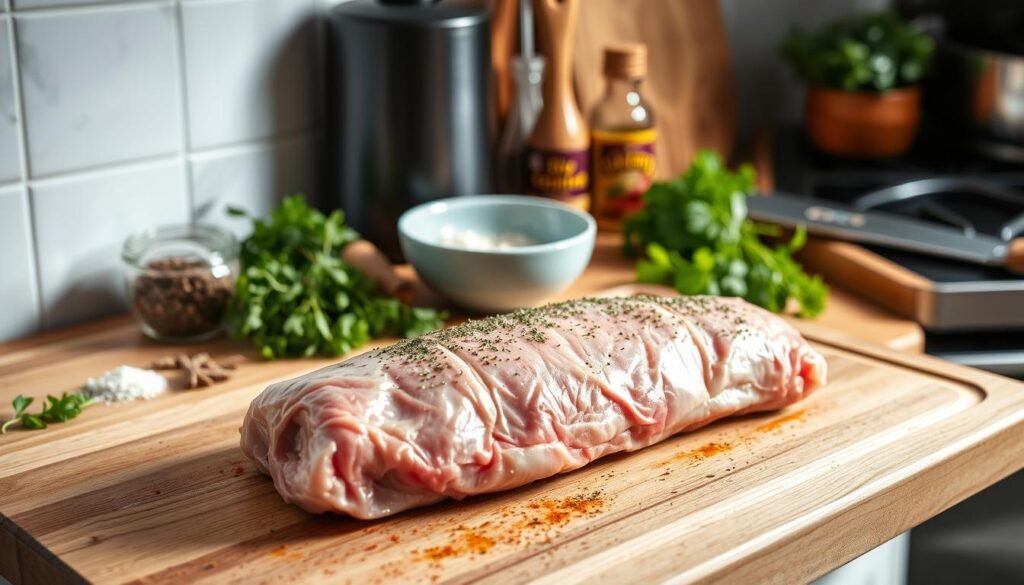
The secret to a delicious pork tenderloin is in the prep work. Good preparation boosts the flavor and ensures it cooks right.
Cleaning and Trimming the Tenderloin
First, clean and trim the pork tenderloin. Rinse it under cold water, then dry it with paper towels. Remove any extra fat or silver skin to avoid toughness.
Marinating Options for Flavor
Marinating adds a lot of flavor to your pork tenderloin. You can use simple mixes like olive oil, garlic, and herbs. Or try more complex ones with yogurt or buttermilk. Marinate the tenderloin for at least 2 hours or overnight for the best taste.Click here learn about how-to-cook-okra
Seasoning Recommendations
Seasoning is key in prepping your pork tenderloin. Mix salt, pepper, and herbs and spices. A classic mix is thyme, rosemary, and garlic powder. Feel free to try different blends to find your favorite.
Cooking Methods for Pork Tenderloin
Pork tenderloin can be cooked in many ways, like oven roasting, grilling, and searing. Each method makes the meat tender and full of flavor.
Oven Roasting Techniques
Oven roasting is a favorite for cooking pork tenderloin. It cooks the meat evenly and browns it nicely. First, preheat your oven to 400°F (200°C). Season the tenderloin, then put it in a roasting pan. Roast for 20-25 minutes, or until it reaches 145°F (63°C). Let it rest before slicing.
Key to successful oven roasting: Make sure the tenderloin is at room temperature. Also, don’t overcrowd the roasting pan.
Grilling Tips for Perfection
Grilling pork tenderloin gives it a smoky taste and a nice char. Heat your grill to medium-high. Season the tenderloin and brush the grill with oil to prevent sticking. Grill for 2-3 minutes on each side, then move it to a cooler part of the grill to finish cooking.
Grilling tip: Use a meat thermometer to check if the tenderloin is cooked to a safe temperature.
Searing for Extra Flavor
Searing adds a lot of flavor to your pork tenderloin. Heat a skillet over high heat, add oil, and sear the tenderloin on all sides until browned. Then, finish cooking it in the oven. Searing keeps the juices in and adds a tasty crust.
Benefit of searing: It makes the meat more tender and flavorful, making the dish more enjoyable.
How Long to Cook Pork Tenderloin
Cooking pork tenderloin to perfection requires careful timing. The size of the tenderloin, the cooking method, and how done you like it all affect cooking time. Each detail is important for a great result.
Calibrating Cooking Times
The cooking time for pork tenderloin changes with its size and cooking method. A 1-pound tenderloin usually cooks in 20-25 minutes at 400°F (200°C). Remember, these times are just a guide and can vary with your oven.
Always use a meat thermometer to check the pork’s internal temperature. This is the best way to know if it’s done, no matter how you cook it.
Signs of Perfect Doneness
A perfectly cooked pork tenderloin feels firm but still soft to the touch. It should have a slight pink in the center. But the best way to check is with a meat thermometer.
The USDA says to cook pork to at least 145°F (63°C) and then rest it for 3 minutes. This makes the pork safe and juicy.
Using a Meat Thermometer
A meat thermometer makes cooking pork tenderloin easy. To use it, insert the thermometer into the thickest part of the tenderloin, avoiding fat or bone.
Wait for the temperature to stabilize before reading it. This gives you an accurate reading. With a meat thermometer, you can cook pork tenderloin perfectly every time, ensuring it’s safe and juicy.
Flavor Pairings for Pork Tenderloin
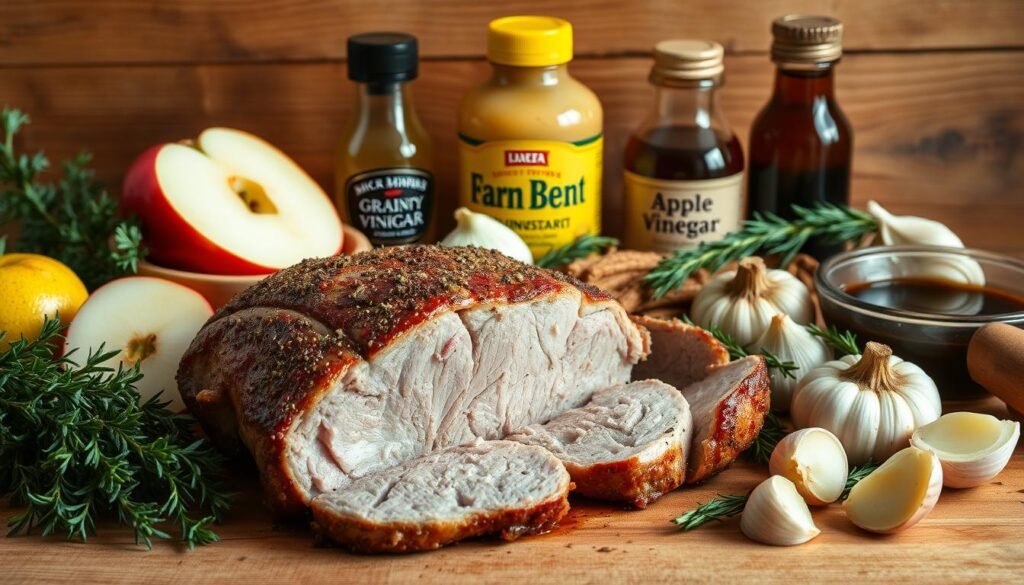
To elevate your pork tenderloin, try different marinades, rubs, and sauces. The right flavors can greatly enhance your meal.
Savory Marinades and Rubs
A good marinade or rub can add layers of taste to your pork tenderloin. Mix garlic, thyme, and rosemary for a savory flavor. Adding balsamic or apple cider vinegar can give it a tangy twist.
Some popular marinade options include: soy sauce, honey, and ginger for an Asian taste. Or olive oil, lemon juice, and herbs like parsley and oregano for a Mediterranean flavor.
Complementary Sides and Sauces
The right sides and sauces can enhance your pork tenderloin’s flavors. Serve it with roasted veggies like Brussels sprouts or carrots. Or creamy mashed potatoes.
For sauces, try a classic gravy or a cherry compote or tangy BBQ sauce. The goal is to match the sauce with the tenderloin’s taste without overpowering it.
Wine Pairings to Consider
Pork tenderloin pairs well with many wines. For red, Pinot Noir or light-bodied Merlot works well. For white, dry Riesling or Pinot Grigio is a good choice.
Choose a wine that complements your marinade or rub’s flavors. For example, herbaceous wines like Sauvignon Blanc match well with herb-based marinades.Click here learn about how-to-cook-tamales-in-the-oven/
Serving Suggestions for Pork Tenderloin
There are many ways to serve pork tenderloin, and we’re excited to share some ideas. It’s perfect for dinner parties or weeknight meals. Pork tenderloin can be the main attraction.
Plating Ideas for Entertaining
To wow your guests, slice the pork tenderloin thinly. Arrange it on a platter with roasted veggies and your favorite sauce. Add fresh herbs like parsley or thyme for color and freshness.
Elevate your presentation by mixing textures and colors. Try pairing it with creamy mashed potatoes, crunchy Brussels sprouts, and tangy apple compote.
Creative Leftover Uses
Don’t waste leftover pork tenderloin! Use it in sandwiches, wraps, or salads. Slice it thinly and add toppings like caramelized onions, crispy bacon, or avocado.
Leftover pork tenderloin is also great in soups, stews, or casseroles. It adds protein and flavor to your favorite dishes.
Perfect Accompaniments
Choosing the right sides for pork tenderloin is easy. Roasted veggies like asparagus or Brussels sprouts are great. So are comforting sides like mashed potatoes or polenta.
Try new flavors by experimenting with seasonings and marinades. Pair pork tenderloin with sweet and tangy BBQ sauce or a savory herb crust.
Storage Tips for Leftover Pork Tenderloin
Keeping leftover pork tenderloin juicy is all about how you store it. The right storage keeps the meat safe and its taste and texture intact.
Proper Cooling Techniques
First, cool the pork tenderloin down to a safe temperature to stop bacteria from growing. You can cool it fast by putting it in an ice bath or using shallow metal pans.
Cooling is a critical step that should not be rushed. Make sure the pork tenderloin cools to room temperature within two hours of cooking to keep it safe to eat.
Best Storage Containers
After cooling, put the leftover pork tenderloin in airtight containers. Glass or plastic containers with tight-fitting lids work best. You can also use heavy-duty aluminum foil or plastic wrap, making sure it’s wrapped tightly to keep air out.
Reheating Methods to Maintain Juiciness
When reheating, do it gently to keep the pork tenderloin juicy. Wrap it in foil and heat it in the oven at a low temperature until it’s warm. Or, reheat it in a skillet with a bit of liquid (like stock or sauce) over low heat, turning it often.
Avoid overheating, as it can dry out the pork tenderloin. Use a meat thermometer to check it reaches a safe internal temperature of 165°F (74°C).
Common Mistakes in Pork Tenderloin Cooking
Cooking pork tenderloin can be tricky. There are several common mistakes that can ruin the dish. To get a juicy and flavorful pork tenderloin, avoid these mistakes.
Overcooking Issues
One big mistake is overcooking the pork tenderloin. This makes the meat dry and tough. To prevent this, use a meat thermometer. Make sure the internal temperature is 145°F (63°C) for medium-rare and 160°F (71°C) for medium.
Under-seasoning Problems
Another mistake is not seasoning the pork enough. To add flavor, marinate or rub the meat with your favorite seasonings before cooking. This boosts the pork’s natural taste.
Skipping the Resting Period
Not letting the meat rest is another mistake. After cooking, let the meat rest for 5-10 minutes before slicing. This makes the pork tenderloin tender and juicy.
By avoiding these common mistakes, you can make a perfectly cooked pork tenderloin. It will impress your family and friends.
Tips for Cooking Pork Tenderloin on a Budget
You can make tender and tasty pork tenderloin without spending a lot. Cooking on a budget doesn’t mean you have to give up flavor or quality. Here are some tips to help you make a delicious pork tenderloin that’s easy on your wallet.
Affordable Cuts to Use
Look for affordable cuts of pork tenderloin. Shop during sales or use coupons. Many stores offer meat discounts, often when new shipments come in. You can also choose slightly larger tenderloins, which might be cheaper and can last for more meals.
Buying from local butchers or farmers’ markets can also save money. Prices are often better, and the quality is usually higher. Ask your butcher for the best value cuts; they can give you great advice on what’s affordable.
DIY Marinades and Seasonings
Making your own DIY marinades and seasonings is both cheap and lets you pick your flavors. Mix olive oil, garlic, soy sauce, and herbs to create tasty marinades.
For seasonings, a blend of salt, pepper, paprika, and herbs can add lots of flavor without expensive blends. Try different mixes to find the perfect taste for your pork tenderloin.
How to Make the Most of Your Ingredients
Using every part of the pork tenderloin is key to budget cooking. Use affordable, nutritious ingredients like veggies and grains. Plan meals around what’s on sale to save money and reduce waste.
Also, get creative with leftovers. Use sliced leftover pork tenderloin in sandwiches, salads, or breakfast skillets. This can stretch your budget even further.
Special Diet Considerations with Pork Tenderloin
It’s easy to make pork tenderloin fit special diets, from low-carb to gluten-free. It’s a versatile and tasty choice for any diet.
Low-Carb Options
Pork tenderloin is perfect for low-carb diets as a protein source. You can season it with herbs like thyme and rosemary, or spices like garlic and paprika. This adds flavor without carbs.
Gluten-Free Cooking
Pork tenderloin is naturally gluten-free, ideal for those with gluten issues. Use gluten-free marinades and seasonings when cooking. Many store-bought options have gluten, so homemade is best.
Coat it with gluten-free breadcrumbs or almond meal for a crispy outside.
Incorporating Healthy Ingredients
Make your pork tenderloin healthier by adding nutritious ingredients. Stuff it with spinach, apples, or other fruits and veggies for extra fiber and vitamins.
Use healthy oils like olive or avocado oil for cooking. Serve it with quinoa or brown rice and steamed veggies for a balanced dinner.
By choosing the right ingredients and cooking methods, pork tenderloin can be part of a healthy diet. It’s great for any meal, whether for one or a group, and can be tailored to many dietary needs.
Exploring More Pork Tenderloin Recipes
Now that you know how to cook pork tenderloin, it’s time to try new recipes. You can mix things up with different flavors like herbed or spicy. This will give your dish a unique taste.
Diverse Flavor Profiles
Herbed pork tenderloin recipes use fresh herbs like thyme, rosemary, or parsley. These herbs enhance the meat’s natural taste. Spicy recipes, on the other hand, add a bold kick with chili flakes or hot sauce.
Global Inspirations
International flavors can also make your pork tenderloin stand out. Try Asian-style marinades with soy sauce and ginger or Mediterranean flavors with lemon and oregano. These recipes will add variety to your meals and impress everyone.
Don’t be afraid to try different pork tenderloin recipes and make them your own. Adjust the seasonings and ingredients to match your taste. With these ideas, you’ll become a pork tenderloin expert in no time.