
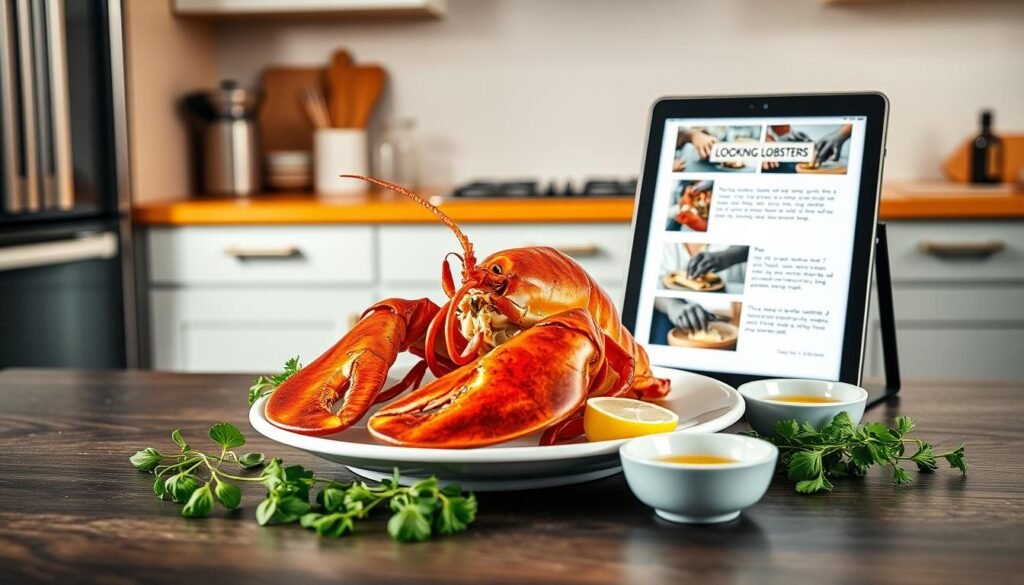
Cooking lobster might seem hard, but with the right help, you can make a tasty dish. Lobster is a favorite for many, and this guide will help you cook it perfectly.
Lobster comes in different types, and knowing these variations is crucial. Whether you’re a pro in the kitchen or just starting, this guide will show you how to do it. It covers everything from prep to serving ideas.
Cooking lobster is easier than you think, and with this guide, you’ll be able to create a truly unforgettable dining experience.
Key Takeaways
- Understand the different types of lobster and their unique characteristics.
- Learn the step-by-step process of cooking lobster to perfection.
- Discover serving suggestions to elevate your lobster dish.
- Master the art of cooking lobster with ease, whether you’re a beginner or an experienced chef.
- Impress your guests with a deliciously cooked lobster meal.
Understanding Different Types of Lobster
Before you start cooking, it’s key to know the differences in lobster types. Lobster is a diverse seafood, with each type offering unique flavors and textures. These can make your meal even better.
The two main types you’ll find are Maine Lobster and Spiny Lobster. Knowing their differences helps you choose the right lobster for your dish.
Maine Lobster vs. Spiny Lobster
Maine Lobster, also known as American Lobster or Northern Lobster, is loved for its tender meat. It’s often seen as a luxury. Its large claws have a lot of meat, making it a favorite among lobster lovers.
Spiny Lobster is found in warmer waters and doesn’t have big claws like Maine Lobster. It has a firmer texture. This makes it great for dishes where its unique taste can shine.
Choosing the Right Lobster for Cooking
When picking lobster for cooking, your choice depends on what you like and your recipe. If you want tender meat, Maine Lobster is a good pick. For a firmer texture and sweeter flavor, Spiny Lobster is better.
Think about how you’ll cook it too. For steaming or boiling, both types work well. But for grilling or baking, Spiny Lobster’s firmer texture might be better.
Preparing Lobster for Cooking
To cook lobster perfectly, start by preparing it right. Cleaning the lobster and using the right tools are key. This makes cooking easier and more efficient.
Cleaning Your Lobster
Cleaning your lobster is a crucial step before cooking. You need to remove the tomalley (the lobster’s liver) and the intestinal tract. The tomalley is greenish and in the body cavity. The intestinal tract is a thin, dark line in the tail.
To clean your lobster effectively, follow these steps: Rinse the lobster under cold running water to remove dirt or debris. Pat it dry with paper towels to get rid of excess moisture. Use a sharp knife or kitchen shears to remove the tomalley and intestinal tract.You can learn about how-to-cook-new-york-strip-steak
Tools Needed for Preparation
Having the right tools makes lobster preparation easier. You’ll need a lobster cracker or nutcracker to crack the claws and body. A pick or fork is for extracting the meat, and kitchen shears for cutting through the shell.
Other useful tools include a sharp knife for removing the tomalley and intestinal tract. Also, use paper towels to dry the lobster. With these tools, you’re ready to prepare your lobster for cooking.
Cooking Methods for Lobster
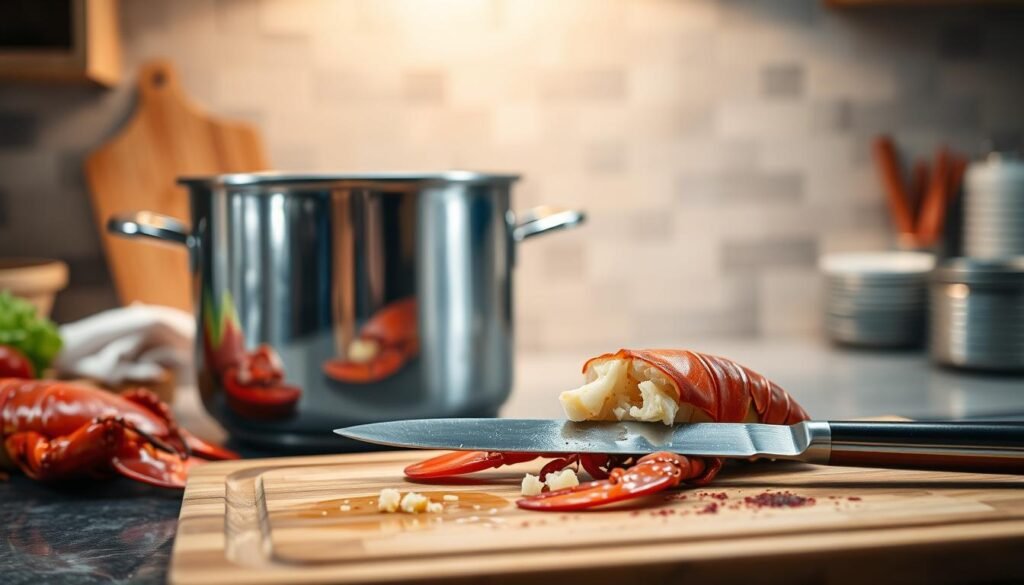
Lobster is a versatile seafood that can be cooked in many ways. Each method brings out its natural sweetness. Your choice depends on what you like and the recipe you’re following.
Boiling Lobster
Boiling is a common way to cook lobster. It involves putting the lobster in boiling water until it’s done. This method is quick and keeps the lobster moist. To boil lobster, fill a big pot with saltwater to cover it. Bring it to a boil, then add the lobster. Cover and cook for 8-10 minutes per pound.
Steaming Lobster
Steaming is a popular method that keeps lobster’s flavor delicate. It’s like boiling but uses steam. Steaming is gentler, making the lobster tender and flavorful. To steam, put a steamer basket in a pot with water. Bring to a boil, then add the lobster. Cover and steam for 8-12 minutes per pound.
Grilling Lobster
Grilling lobster adds a smoky flavor. To grill, split the lobster in half lengthwise. Brush with butter or oil to prevent sticking. Grill over medium heat for 5-7 minutes per side, until charred and cooked.
Baking Lobster
Baking is a simple method for even cooking. It’s less messy than other methods. To bake, preheat your oven to 400°F (200°C). Season the lobster before baking for extra flavor. Place on a baking sheet and bake for 10-12 minutes per pound, until it’s cooked through.
Seasoning and Flavoring Options
After cooking your lobster, you can add a variety of seasonings and flavors. The right mix can make your lobster dish unforgettable.You can learn about how-to-cook-carne-asada
Classic Butter Sauce
A classic choice for lobster is a butter sauce. Melt high-quality butter and mix it with lemon juice and garlic. This creates a rich, tangy sauce that pairs well with lobster. You can adjust the garlic to your liking and add salt or black pepper.
Herbs and Spices to Enhance Flavor
You can also try different herbs and spices to enhance your lobster. Paprika gives a smoky taste, while parsley and dill add freshness. Sprinkle them on the lobster or mix into the butter sauce for more flavor. Other options include lemon zest for citrus or cayenne pepper for heat.
Don’t be afraid to experiment with seasonings. The goal is to let the lobster shine while adding your own twist.
How to Tell When Lobster is Done
To cook lobster perfectly, knowing when it’s done is key. It might seem tricky, but with the right tips, you can cook it to perfection every time.
Signs of Properly Cooked Lobster
A cooked lobster shows several signs. The shell turns bright red when it’s ready. The meat also becomes opaque and flaky with a fork. You can check by inserting a fork into the tail’s thickest part; if it slides in easily, it’s cooked.
Common Mistakes to Avoid
One big mistake is overcooking or undercooking lobster. Overcooking makes the meat tough, while undercooking is unsafe. To avoid this, watch the cooking time closely and check the lobster often towards the end.
Another error is not preparing the lobster right before cooking. Make sure to clean and prepare it as suggested earlier for even cooking.
Serving Lobster
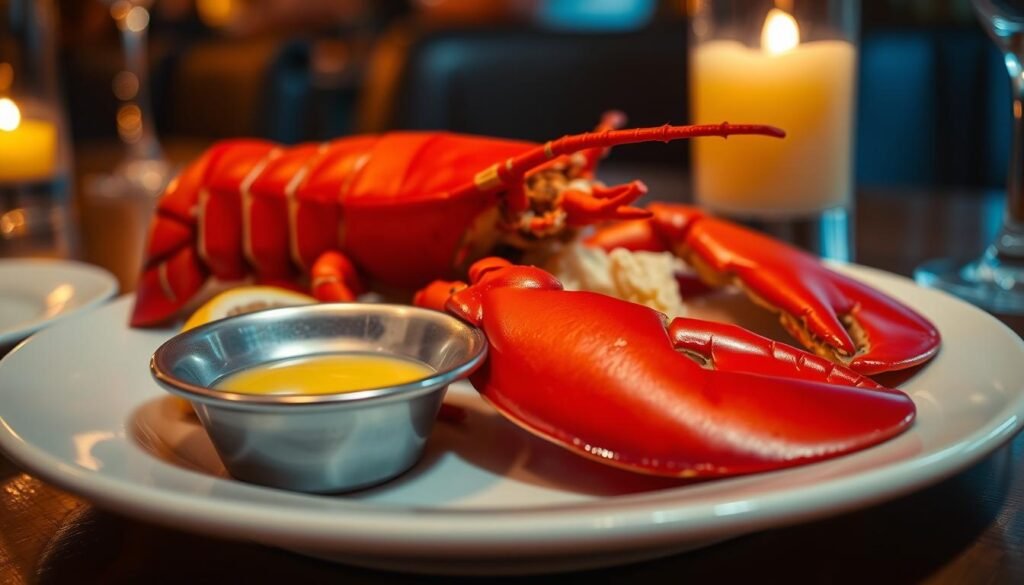
Now that your lobster is cooked, it’s time to serve it. Serving lobster is more than just putting it on a plate. It’s about creating a memorable experience.
Presentation Tips
To make your lobster dish look great, follow some presentation tips. Start with a large, decorative plate. This lets your dish shine. Add lemon wedges and parsley for color and freshness.
Don’t forget to include drawn butter on the side. It tastes amazing and looks good too.
Side Dishes That Pair Well
Choosing the right side dishes can make your lobster meal even better. Steamed veggies like asparagus or broccoli are a great choice. They contrast nicely with the lobster’s richness.
Garlic bread is another favorite. It complements the lobster’s savory flavors. For a lighter option, try a simple green salad with a light vinaigrette.
When planning your meal, think about flavors and textures. You can also try roasted potatoes or grilled corn on the cob. The goal is to let the lobster be the main attraction.
Lobster Cooking Times
Lobster cooking times can vary a lot. This depends on the method and size of the lobster. Knowing the right cooking times is key to cooking lobster perfectly.
General Cooking Times Based on Weight
As a general rule, lobster should be cooked for 8-10 minutes per pound. A 1-pound lobster will take about 8-10 minutes to cook. A 2-pound lobster will take 16-20 minutes. It’s important to watch the cooking time to avoid overcooking.
Cooking times based on weight are a good guideline, but the actual time may vary slightly depending on the lobster’s size and the cooking method.
Cooking Times for Different Methods
Different cooking methods need different cooking times. For grilling or baking, cooking times are shorter. Generally, grilling or baking lobster takes about 5-7 minutes per pound.
Here’s a quick reference guide for cooking times based on different methods:
– Boiling/Steaming: 8-10 minutes per pound
– Grilling/Baking: 5-7 minutes per pound
It’s also important to note that the cooking time may vary depending on the specific recipe and the desired level of doneness. Always check the lobster for signs of being properly cooked, such as opaque meat and a firm texture.You can learn about how-to-cook-chorizo
Handling Live Lobster
To cook lobster perfectly, you need to handle it right when it’s alive. This means being careful and using the right techniques. It’s all about doing it correctly.
Humane Killing Methods
Handling live lobster includes a humane killing method. Inserting a sharp knife or lobster pick into the lobster’s cross-shaped mark on the head is considered a humane method. This way, the lobster is killed quickly and with little pain.
The cross-shaped mark is on the lobster’s head top. It’s key to be precise with this method for it to work well.
Safety Tips for Handling
When dealing with live lobster, safety is key. Lobsters have sharp claws that can inflict serious injury. So, handle them carefully, maybe wearing gloves to protect your hands.
Also, make sure the lobster is held tight. This prevents it from falling or escaping, which could hurt you or damage things.
Storing Leftover Lobster
Storing leftover lobster right is key to keeping it fresh and safe. Whether you boiled, steamed, or grilled it, the right storage lets you enjoy it again. This way, you don’t lose the taste or risk food safety.
Best Practices for Refrigerating
When you put leftover lobster in the fridge, use an airtight container. This keeps out moisture and other tastes. Wrap the lobster meat in plastic or foil to keep it fresh.
Eat refrigerated lobster within a day or two for the best taste and texture. Always check for spoilage signs like a bad smell or slimy feel before eating.
Freezing Cooked Lobster
To store it longer, freeze cooked lobster. Let it cool down first to avoid freezer burn. Then, wrap it in plastic or foil and put it in a freezer bag or container.
Mark the container with the date and keep it at 0°F (-18°C) or colder. Frozen lobster can last up to three months. To thaw, use the fridge or cold water.
Lobster Recipes to Try
Now that you know how to cook lobster, it’s time to try some tasty recipes. Lobster can be the main attraction in many dishes. You can make everything from comforting soups to fancy main courses.
Lobster Roll Recipe
The lobster roll is a classic from New England. It’s a dish you must try. You’ll need fresh lobster meat, mayonnaise, lemon juice, and a toasted bun.
Mix the lobster meat gently with mayonnaise and a squeeze of lemon juice. Then, serve it on a toasted, split-top bun.
Lobster Bisque Recipe
For a richer dish, try making lobster bisque. This recipe cooks lobster with onions and garlic. Then, it blends it with cream for a smooth soup.
The secret to a great bisque is blending and seasoning. Make sure to taste and adjust as you go.
Frequently Asked Questions about Lobster
Whether you’re a seasoned chef or new to cooking, lobster can bring up questions. Let’s tackle some common lobster cooking questions. This will help you feel more confident in your kitchen.
Common Myths About Lobster Cooking
Many myths surround lobster cooking. One myth is that lobster is hard to cook. But, with the right techniques, it’s actually quite simple. Another myth is that lobster must be cooked immediately after catching it. While freshness is key, it’s not always possible to cook it right away.
Another myth is that overcooking lobster makes it tough. In truth, overcooking can make lobster rubbery and less tasty. To prevent this, keep a close eye on the cooking time.
Nutritional Facts of Lobster
Lobster is not just tasty, but also nutritious. It’s full of protein, omega-3 fatty acids, and vitamins and minerals. A 3-ounce serving of cooked lobster has about 16 grams of protein and is low in saturated fat.You can learn about how-to-cook-rice-in-a-rice-cooker
Lobster is also low in calories compared to other proteins. This makes it a good choice for those watching their calorie intake.
Conclusion: Mastering the Art of Cooking Lobster
Learning to cook lobster takes time and effort. But with practice, you can get it right every time. Follow the tips in this guide to cook perfect lobster.
As you keep practicing, you’ll grow more confident. You’ll find your favorite ways to cook lobster. Whether boiling, steaming, grilling, or baking, the secret is to pay close attention to detail.
Practicing for Perfection
Don’t worry if your first tries at lobster cooking aren’t perfect. With more practice, you’ll improve. Follow to impress your loved ones with your cooking.
Final Tips for Success
To cook lobster well, handle it gently and cook it at the right temperature. Serve it with your favorite seasonings. Mastering lobster cooking lets you enjoy this tasty dish at home.