
“Cooking is like love: it should be entered into with abandon or not at all.” — Harriet Van Horne
I picked swordfish because it gives big flavor with very little fuss. Its steak-like texture stands up to bold marinades and high heat, so weeknight dinners and small gatherings both feel easy and special.
I keep my routine simple: pat fillets dry, marinate about 15 minutes with lemon, garlic, and olive oil, then bake at 400°F for roughly 15 minutes. The pan juices make a bright sauce that lifts each bite.
Many people fear overcooking or sticky pans. I avoid that by preheating well and watching the center turn opaque. For a quick upgrade, I serve a tomato-olive relish or a lemon-garlic butter that turns a basic recipe into a restaurant-worthy plate.
I also note storage and reheating tips so leftovers stay tender and tasty. If you want the exact steps and timing that I follow, see my favorite baked version linked here: baked swordfish recipe.
Key Takeaways
- Short marinades (about 15 minutes) sharpen flavor without sogginess.
- Bake at 400°F for roughly 15 minutes for juicy fillets.
- Dry the fish and use high heat to avoid sticking and overcook.
- Tomato-olive relish and lemon-garlic butter elevate simple plates.
- Reheat leftovers at 350°F for about 10 minutes to keep moisture.
Why I love cooking swordfish at home
Cooking a thick swordfish steak feels honest and easy. The meat is firm, so the texture holds up like a good steak. That makes it forgiving for any cook who prefers a hearty piece over delicate fillets.
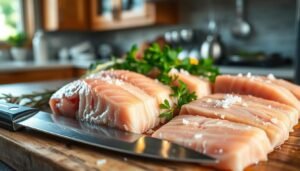
I look for steaks at least 1″ thick with a pale cream color and faint pink tinges. Avoid any brown discoloration; it signals poorer quality. Thick pieces cook evenly and stay tender, whether I grill, roast, or pan-sear.
The mild flavor is a blank canvas. I dress it with bright citrus, caper butter, or a tomato-olive relish and it sings. That versatility means I can move from a cozy indoor bake to a backyard grill with the same basic steps.
“It sears like a steak, doesn’t flake apart, and welcomes bold sauces.”
- Versatile: great for simple weeknight recipes or a dinner party.
- Sturdy: easy to flip without falling apart.
- Friendly: a gentle entry point for anyone new to seafood.
How to cook swordfish: my step-by-step game plan
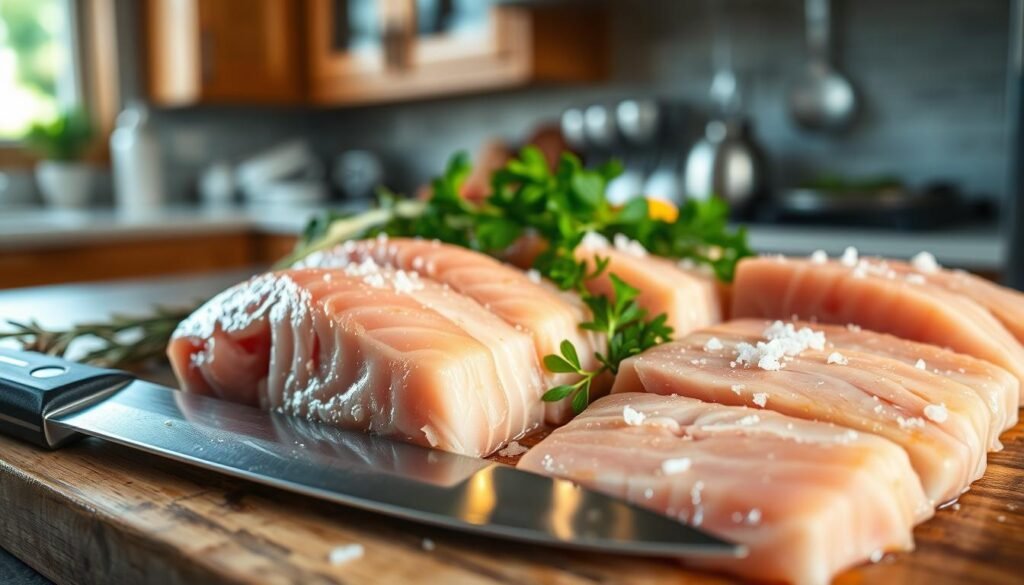
I begin at the counter with a quick inspection. I make sure the cut is at least 1″ thick and that the flesh is pale cream with faint pink tinges. Avoid any brown spots; those are a sign I’ll pass on that piece.
Next, I trim away the dark bloodline in the center. Removing that strip keeps the flavor cleaner and sweeter. I never rinse fish; rinsing can add unwanted moisture.how-to-cook-basmati-rice
I pat each side dry with paper towels so oil and spices stick and the surface sears instead of steaming. Then I season both sides evenly with kosher salt, freshly ground black pepper, a little minced garlic, lemon zest, and a light coat of olive oil.
- Thickness: 1″ helps the steaks sear and finish evenly.
- Color: pale cream with pink tinges is ideal.
- Seasoning time: 10–15 minutes on the counter is enough.
| Step | What I check | Why it matters |
|---|---|---|
| Choose cut | 1″ thick, pale cream, pink tinges | Even cooking; stays juicy |
| Trim | Remove dark bloodline | Cleaner, milder flavor |
| Dry & season | Pat with paper towels; kosher salt, pepper, garlic, olive oil | Better browning; balanced flavor |
| Rest | 10–15 minutes on counter | Builds flavor without mushy texture |
Baked swordfish in the oven (lemon-garlic, 30 minutes start to finish)
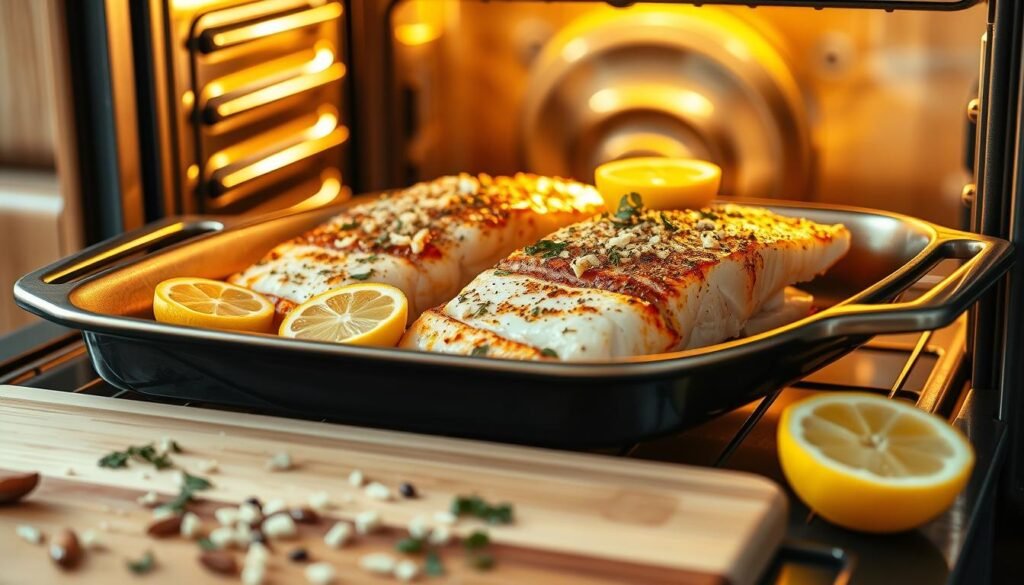
An oven bake delivers reliable results when I want a hands-off dinner. I use a quick lemon, garlic, and olive oil marinade and let the steaks sit for about 15 minutes while the oven preheats.how-to-cook-black-beans
15-minute lemon, garlic, olive oil marinade
I whisk lemon zest, minced garlic, kosher salt, and freshly ground pepper with a splash of olive oil. Then I coat the steaks and leave them on the counter roughly 15 minutes so flavors meld but the surface stays dry enough to brown.
Bake at 400°F — pan juices become a bright sauce
I preheat the oven to 400°F and place the pan on the center rack so even heat surrounds the fillets. For 1-inch pieces, bake about 15 minutes; the pan juices mix with the marinade into a garlicky lemon sauce you can spoon over the top.
Checking doneness in the oven
Look for a fully opaque center that feels firm and flakes easily with gentle pressure. If you keep kosher brands in mind, use Diamond Crystal more freely than Morton’s to avoid oversalting.
“A short marinade and steady oven heat give a bright, juicy result every time.”
- Tip: Rest the steaks a few rest minutes so juices settle before serving.
- Optional: Add a tomato-olive relish with a squeeze of lemon juice and basil for briny contrast.
Pan-seared swordfish on the stovetop (golden outside, tender center)
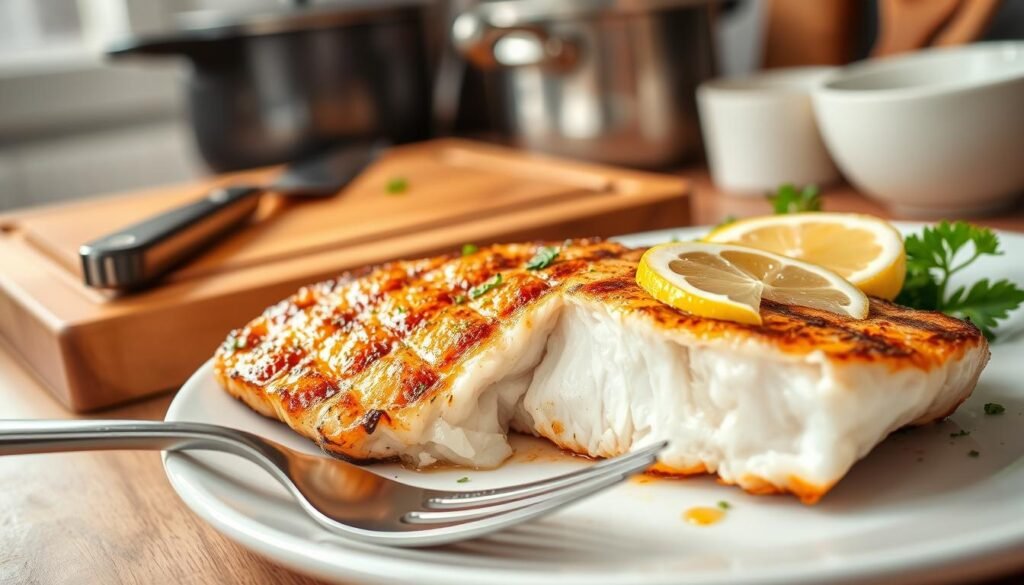
A hot pan gives the quickest route to a golden crust and a tender center. I pat the steaks dry and season generously with salt and pepper so the surface browns cleanly.how-to-cook-chickpeas
Preheat the pan until it radiates steady heat, then add a neutral oil. For 1-inch steaks I sear about 4 minutes per side over medium–medium-high heat, adjusting if pieces are thicker or thinner.
Target temperature and rest minutes
Aim for an internal temperature just over 140°F in the pan. Remove the fish and let carryover bring the final temperature to 145°F during a 3–5 minute rest.
Optional quick finish
If I want extra richness, I melt a little butter with minced garlic, lemon juice, and parsley in the same pan. Spoon that sauce over the fish for a silky finish that highlights the firm texture.
- Use equal-thickness steaks for even time on the stove.
- Keep the pan from crowding so you don’t steam the fish.
- Leave steaks undisturbed until they release naturally; that yields the best crust.
“A fast sear and a short rest produce a crisp outside and a juicy center.”
Grilled or broiled swordfish (great sear, no sticking)
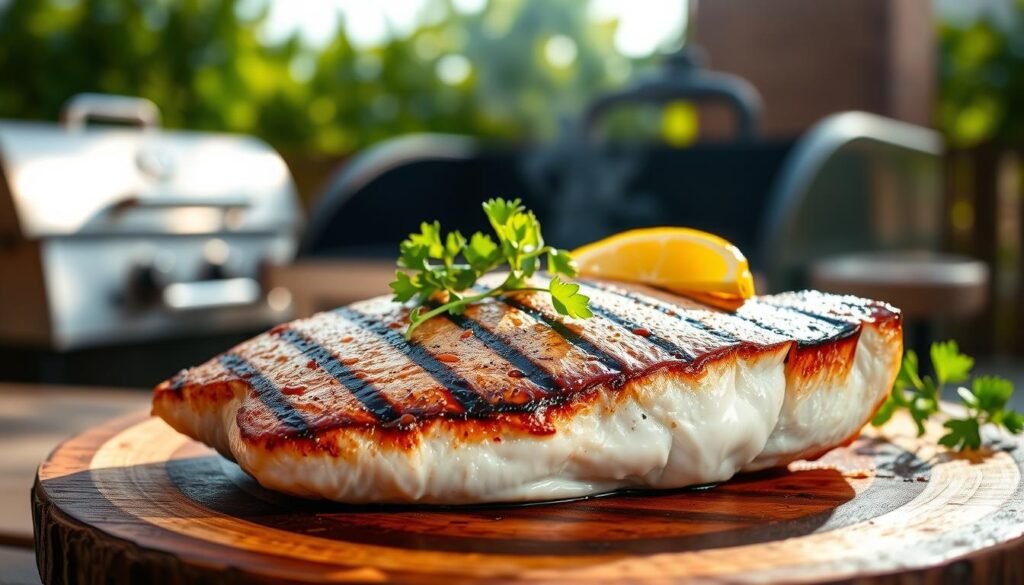
When I want bold marks and a smoky edge, I reach straight for the grill or broiler. This fish stands up well to high heat and gives a steak-like finish that feels special.how-to-cook-london-broil
Prep tips before the fire
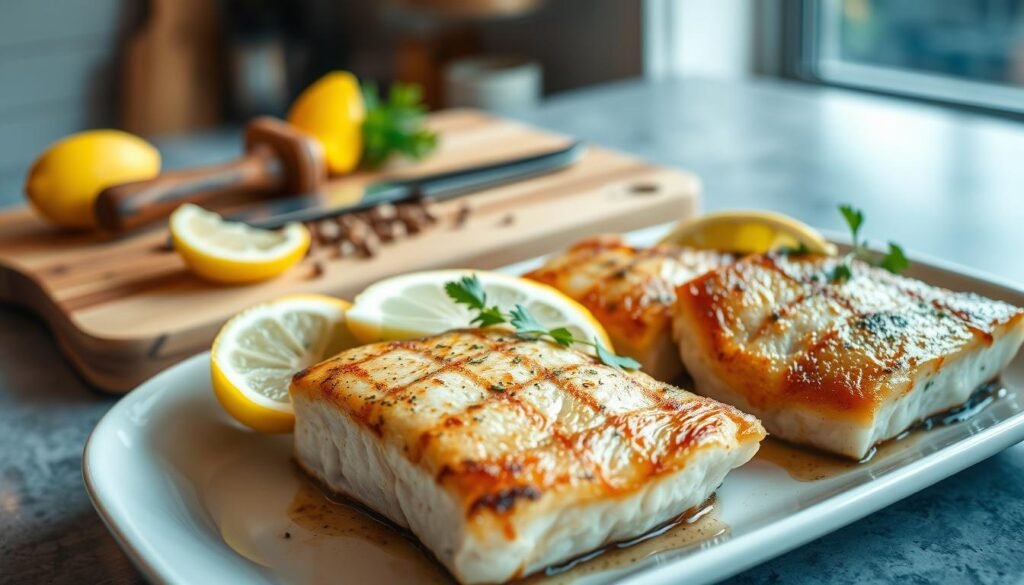
I oil the steaks lightly and clean then oil the grates. That double layer of oil helps prevent sticking and yields neat grill marks.
Make sure the surface is scorching hot—around 425–450°F—before the fish hits the grates.
Timing and visual cues
For 1-inch steaks, plan about 5–7 minutes per side under medium‑high heat or under the broiler in the oven. Flip when the flesh releases easily and the sides look opaque.
I space pieces so air can circulate and avoid steaming. For variety, I also thread cubes on skewers with veggies; they cook fast and serve easily.
| Method | Grill temperature | Minutes per side |
|---|---|---|
| Direct grill | 425–450°F | 5–7 |
| Broiler (top rack) | High | 5–7 |
| Kebabs | Medium‑high | 3–4 |
“A fast sear and a short rest bring out the best in firm, meaty fish.”
Flavor boosters, sauces, and sides that make dinner shine
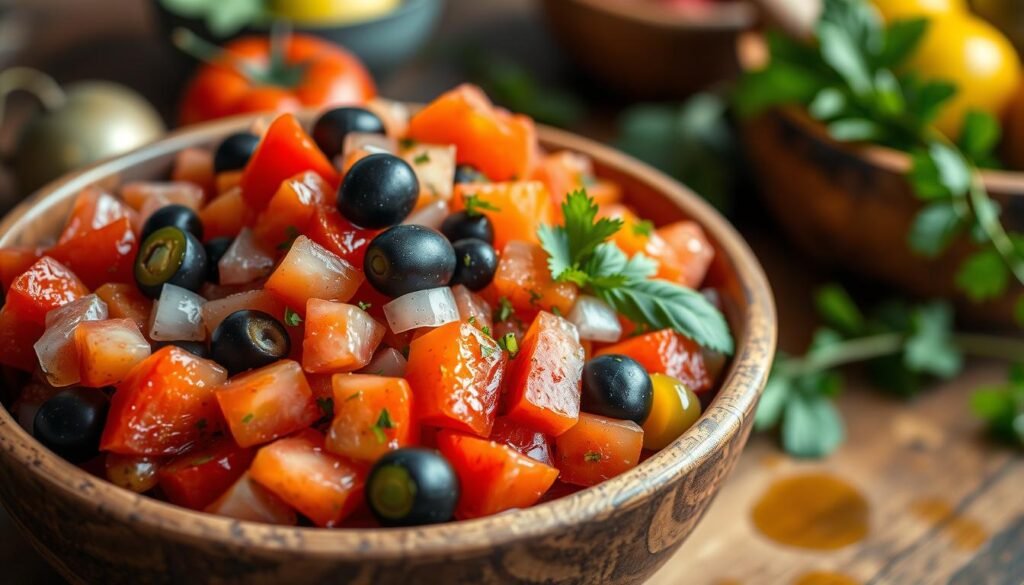
Bright sauces and crisp sides turn a simple fillet into a memorable meal. I keep a few fast finishes on hand so plating feels intentional, even on a busy night.how-long-to-cook-chicken-legs-in-oven
Tomato-olive relish with lemon juice and fresh basil
I spoon a quick relish over the top: diced ripe tomatoes, chopped Kalamata olives, a splash of olive oil, and lemon juice. A pinch of red pepper flakes and 1–2 tablespoons of chopped capers add bright saline notes.
I fold in fresh basil at the last moment so color and aroma stay lively.
Herby butter and olive-forward sauces
When I want richness, I melt butter with minced garlic and a little lemon juice, then finish with chopped parsley. That butter clings to the meat and adds silkiness.
Olive-forward sauces—caper butter or a salsa verde—bring briny depth without drowning the fish’s flavor.
Easy sides I serve
- Cilantro-lime rice for a bright, fragrant base.
- Sheet-pan roasted vegetables for color and texture.
- A simple green side salad for freshness and crunch.
Make it a feast: tacos, kebabs, and mix-and-match toppings
For crowds, I cube the fish for kebabs or shred pieces for tacos and set out bowls of relish, butter, chopped parsley, and extra lemon. Guests build their plates and everyone gets exactly what they want.
“Finish at the top with a last squeeze of lemon or a drizzle of herby oil—small moves that wake up the whole plate.”
For more plating ideas and tested recipes, see my roundup of best swordfish recipes.
Storage, reheating, and safety notes
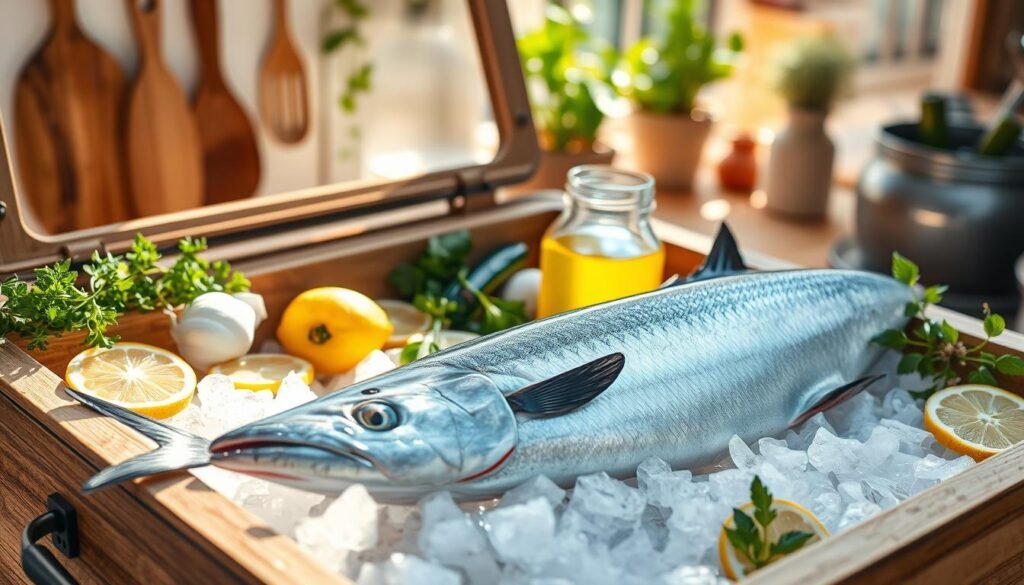
A quick cool-down and an airtight lid are my two rules for storing leftover fillets. I let pieces rest briefly, then slide them into a sealed container and into the refrigerator. That keeps texture and flavor steady for the next few days.how-long-to-cook-meatballs-in-oven
Short-term storage and simple reheats
I refrigerate leftovers in an airtight container and finish them within 3–5 days for best taste and safety. I don’t rinse cooked seafood before storing; instead I pat surfaces dry with paper towels so extra moisture doesn’t soften the meat.
For reheating, I bring the pieces out while the oven preheats to 350°F and warm for about 10 minutes. I skip the relish during heating and add bright toppings on top once the fish is hot.
Cooking-through guidance and mercury notes
I cook each steak until the center is fully opaque — that’s my cue the fish is done and safe. Fully baking through can also reduce mercury content, which gives me extra peace of mind when serving kids or pregnant guests.
- Use a single layer of fillets for even warm-up and less drying.
- Avoid high-heat blasts like microwaves; gentle oven time keeps the texture juicy.
- When seasoning again, remember kosher salt varies by brand; Diamond Crystal measures lighter than Morton’s.
- Finish with a quick squeeze of citrus and chopped herbs on top right before serving for freshness.
“I track minutes carefully during reheats and stop as soon as the center is hot—small time checks protect the texture.”how-to-cook-top-sirloin-steak-in-the-oven
For grilling tips that pair well with leftovers and fresh servings, see my grilled version: grilled version.
Conclusion
A clear plan, a hot pan, and a short rest are all I need for a reliable finish.
My bottom line: with simple seasoning and steady heat this swordfish turns into a repeatable recipe that delivers big flavor in minutes. Whether I use the oven, a searing pan, or the grill, the result feels like a firm steak on the plate.
I favor freshly ground pepper, a touch of garlic, and olive oil, then finish with lemon or a quick butter-and-parsley sauce for silkiness. I watch temperature and visual cues so fillets stay tender, rest briefly after searing, and serve with a simple side.
Make it your way: spoon on a relish or drizzle pan juices as a final sauce and enjoy a dependable, weeknight-ready fish dinner.